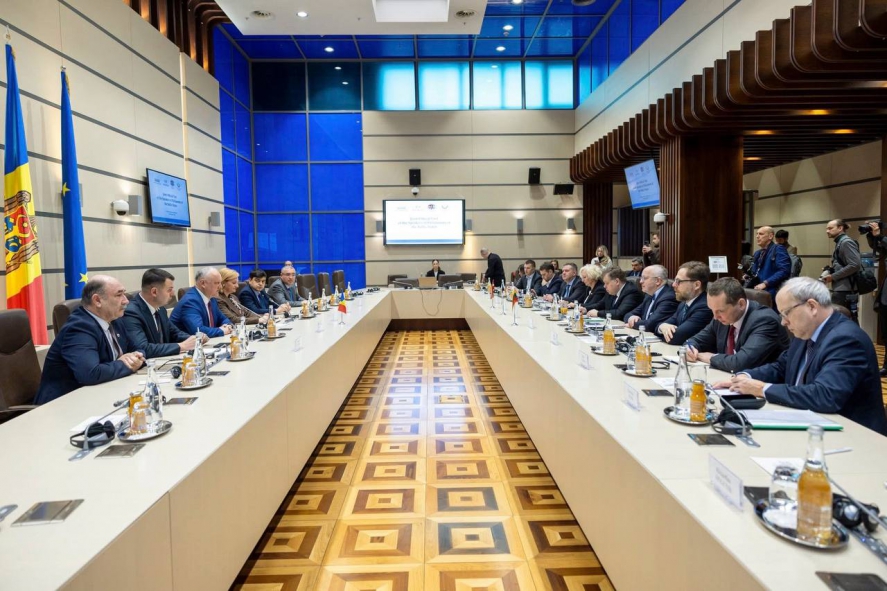
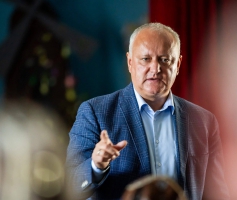
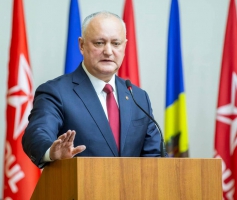
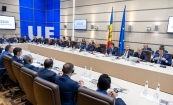
The President of the Party of Socialists of the Republic of Moldova (PSRM) and leader of the Socialist parliamentary faction, Igor Dodon, took part in a joint meeting between the Speakers of the Baltic States’ parliaments and the leaders of Moldova’s parliamentary factions. During the event, Dodon emphasized that PSRM is neither pro‑European nor pro‑Russian, but acts “for Moldova, for its citizens, and for national interests,” TRIBUNA reports.
Dodon noted that Moldova does not have a national consensus on European integration, a fact he says was confirmed by the referendum held two years ago, when the majority of citizens inside the country did not support the course promoted by the government.
He added that during the pro‑European governance of PAS and the current president, public trust in the European Union has been declining due to what he described as numerous abuses committed under the EU flag and with the tacit strategic approval of Brussels.
According to Dodon, many Moldovan citizens — including PSRM voters — see serious risks associated with European integration in at least four areas:
- Militarization of neutral Moldova and the alleged de facto preparation of the country for war in the interest of Brussels, which he argues contradicts Moldova’s constitutional neutrality.
- Threats to economic sovereignty. Dodon claims that the EU effectively restricts Moldova’s ability to independently choose its economic partners, despite national interests. At the same time, some EU member states continue to trade with Russia, and one Baltic country has even extended its transit contract for Russian gas, earning around 30 million euros annually.
- Risks to traditional values and the Orthodox faith. He stated that the imposition of a foreign ideology, including the promotion of the LGBT agenda, raises serious concerns among a significant part of the population.
- Migration policy. Dodon argued that migration is already one of the most acute issues within the EU, and Moldova should avoid similar challenges.
He stressed that the current negotiations conducted by PAS with Brussels ignore these concerns. Dodon also remarked that the Speakers of the Baltic parliaments frequently highlight the positive results of European integration while overlooking what he called “the other side of the coin”: massive population outflow, loss of human capital, and a significant decline in domestic production.
 Loading ...