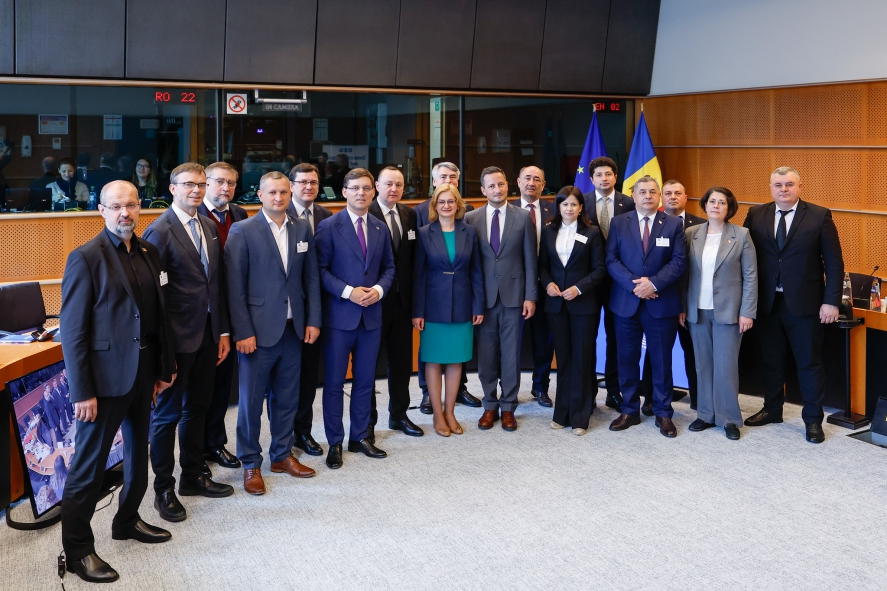
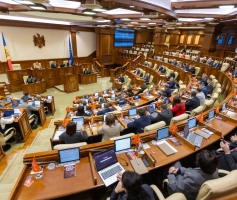
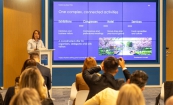
Between June 1–3, 2026, a delegation of the Parliament of the Republic of Moldova carried out a study visit to the European Parliament in Brussels. The discussions focused on Moldova’s progress in the European integration process and ways to strengthen cooperation between the two legislative institutions.
The deputies met with European Parliament Vice-Presidents Nicu Ștefănuță and Victor Negrescu, as well as MEPs Siegfried Mureșan and Maria Grapini. European officials reiterated the strong support of the majority of MEPs for Moldova’s accession to the European Union.
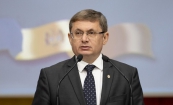
Vice-President of the Moldovan Parliament, Doina Gherman, emphasized: “Our country has made important progress in recent years. Now it depends on us to maintain the pace of reforms and seize this opportunity. Romania’s experience shows that opening negotiations means more than a political decision—it brings confidence, investment, and economic growth. Citizens of Moldova must feel the direct benefits of the progress our country has achieved.”
Vice-President Vlad Batrîncea stressed that European integration must take into account Moldova’s national interests and highlighted the need for real, ongoing dialogue with the opposition and civil society: “The opposition represents an important part of the country’s citizens, and our voice must be heard and considered in all processes and projects concerning Moldova’s future. Reforms can succeed only if they are built through broad consultations, dialogue, and respect for the national interest.”
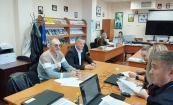
The agenda also included meetings with representatives of the European Commission, the European External Action Service, and the Council of the European Union. Discussions focused on ongoing reforms, the accession process, and strengthening democratic institutions.
Chairman of the Committee for European Integration, Marcel Spatari, remarked: “The accession process is both technical and political. Technically, we have strong teams in the working groups on negotiation chapters (we have already held hearings in Parliament on 29 of the 33 chapters), and experts assist the Moldovan Government and Parliament. Politically, we have a favorable national and European context, often called in EU slang a ‘window of opportunity’—a window through which a brighter and safer future for Moldova can be seen.”
The visit followed the recent signing of a Memorandum of Cooperation between the Parliament of Moldova and the European Parliament, aimed at strengthening relations between the two institutions in the context of EU accession and deepening cooperation in supporting democracy.
The delegation included Vice-Presidents Doina Gherman and Vlad Batrîncea, along with the heads of Moldova’s 12 permanent parliamentary committees, among them Veronica Roșca, Radu Marian, Marcel Spatari, Grigore Novac, Liliana Iaconi, Serghei Ivanov, Adrian Belîi, Valeriu Muduc, Adrian Lebedinskii, Andrian Cheptonar, Virgiliu Pâslariuc, and Ion Groza.

 Loading ...