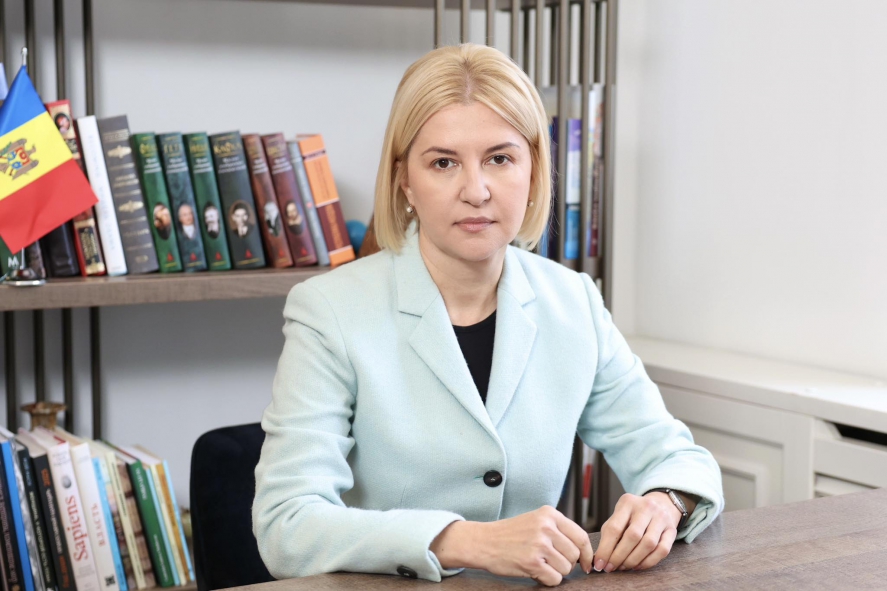
Irina Vlah, leader of the Republican Party Heart of Moldova, stated that PAS representatives now openly acknowledge that “Moldova needs 100,000 foreign workers”. She recalled that at the beginning of the year she publicly warned the authorities that an uncontrolled influx of labor migrants could become a serious problem for the country. In this context, she issued several appeals to politicians and to the Prime Minister, outlining concrete measures meant to protect citizens’ interests and prevent a potentially dangerous scenario.
Vlah noted that she had repeatedly emphasized that, although Moldova faces a severe labor shortage and foreign workers may offer a short‑term solution, international experience shows that in the medium and long term such processes can generate major risks if not properly managed. She criticized the Government for ignoring the essence of the problem, parts of the opposition for politicizing the topic, and pro‑government media for downplaying the issue instead of addressing it responsibly.
In her message to the opposition, Vlah urged political actors not to treat the matter as a tool for short‑term political gains, but as a socio‑economic challenge requiring serious and responsible action.
She also addressed the pro‑government media, calling on journalists to acknowledge the scale of the issue and distinguish between professional, responsible approaches and populist narratives.
Vlah reminded the Prime Minister of several measures she considers necessary:
- Conduct a strict assessment of labor needs by sector and region to determine where and in what volume foreign labor is required.
- Establish a permanent dialogue with companies that bring foreign workers to Moldova to ensure strict oversight of the process, including proper distribution of labor according to real needs.
- Introduce clear rules for companies specializing in labor import, including their responsibility for foreign workers during their stay in Moldova and for their repatriation after contracts expire.
- Clearly define the competencies of all state institutions involved in managing labor migration.
- Create a national mechanism for monitoring labor migrants in Moldova.
- Assess the existing domestic labor force that is currently inactive and develop a national program for retraining and redistributing workers, including incentives for mobility.
- Develop a state program offering concrete incentives for diaspora members willing to return and work in sectors facing acute labor shortages.
Vlah concluded by urging all political and institutional actors to act responsibly: Moldova still has the capacity to manage and prevent the risks associated with labor migration, but only if action is taken now.
 Loading ...