The economy of the Republic of Moldova is in a coma, and this is confirmed even by official statistics. Over the past four years, cumulative economic growth amounted to only 0.4%, and this year a 2% increase is forecast, although no one can guarantee this given the strong economic shocks recorded in recent months. The economy is no longer able to meet real needs, which is why the budget deficit has reached a record level (around 21 billion lei), while public debt continues to grow (only in the first quarter of this year it increased by 10 billion lei, reaching 142 billion lei).
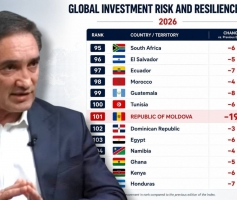
The national economy can still be stabilized and relaunched, but this requires strong stimulation of investments. Even though in 2025 investments reached a historic maximum (growing by around 20%), this is still not enough to speak in real terms about an economic recovery.
Before discussing what needs to be done, it is important to briefly review the current investment climate in the Republic of Moldova.
Today, there are a number of factors that make potential investors look at Moldova with caution. First of all, there is the war in Ukraine, which also affects Moldova’s economy. There is also the fact that the business environment is not very attractive, including existing barriers in the legislative and regulatory framework. Bureaucracy remains quite high. The state of the justice system is another key factor, as for investors a functioning and efficient judiciary is a guarantee of investment security.
There is also the situation on the labour market, where the shortage of workforce is becoming increasingly acute. These and other issues discourage investors from quickly entering the Moldovan market. However, this should not lead us to abandon investment activities and their role in economic development.
The war in the neighboring country may end in a foreseeable period, and there are already some indications in this regard. Otherwise, the responsibility lies with us, and the necessary actions include: a broad review of the regulatory framework by removing barriers that hinder business development; accelerating judicial reform; further liberalization of the labour market, and others.
At the same time, an honest dialogue with foreign investors already present on the local market is needed. Such discussions would help identify their concerns, expectations, and the problems they face. If followed by concrete actions, this would send a strong signal to other potential investors that Moldova is worth considering and that the country is open and receptive to investment activity.
Alongside foreign investors, local investors must also be encouraged. There are many businesspeople in Moldova who would be willing to expand their activities and make new investments if the business climate improves. Authorities should engage in dialogue with them and come up with mutually acceptable solutions.
There is also a need for new government programs to stimulate investments in small and medium-sized businesses from the diaspora. The diaspora has significant investment potential, which should not be ignored.
Investments are the engine of economic development in any developed country. Therefore, our absolute priority must be the stimulation of investments, both foreign and domestic. If all the above measures are implemented, Moldova will increase its attractiveness in the eyes of investors, and investment processes will bring a strong impulse to national economic development.
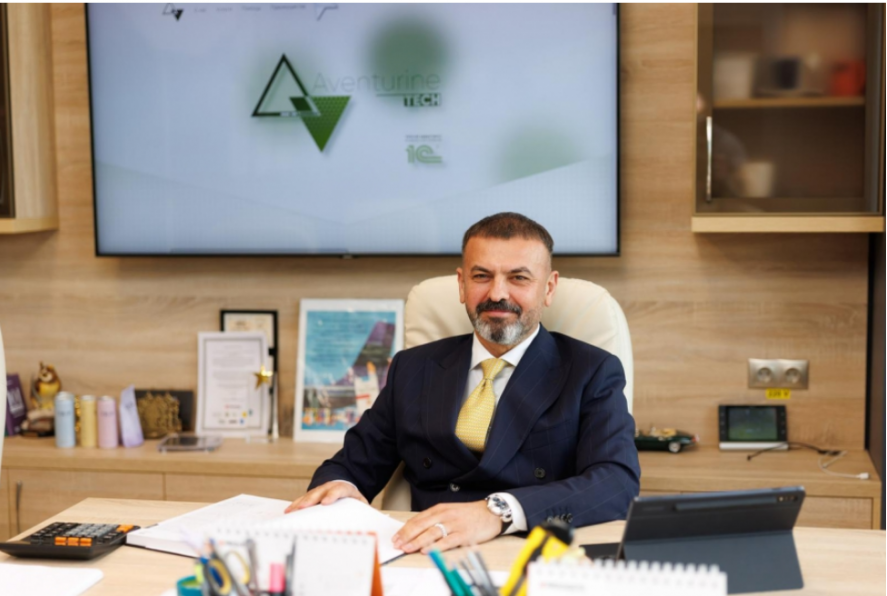
Ion Scurtu, businessman, investor, philanthropist
 Loading ...