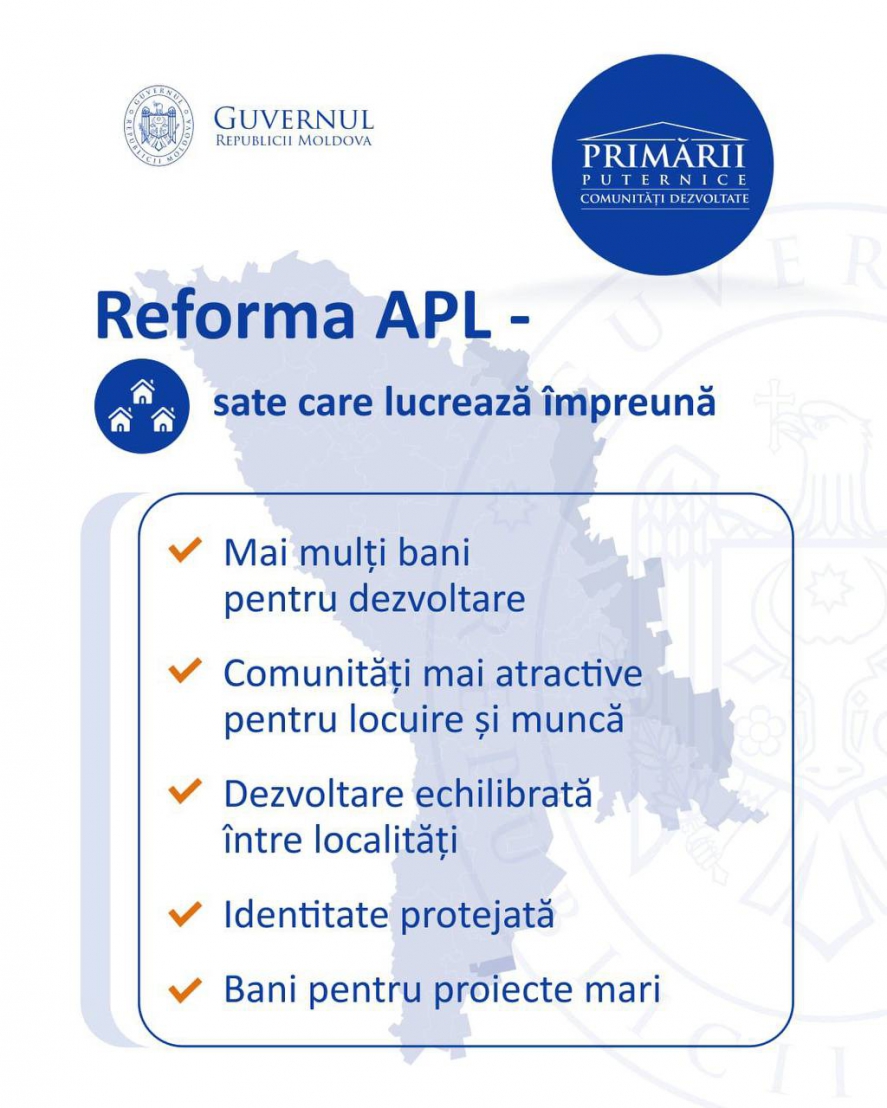
Guvernul, reprezentat de secretarul general Alexei Buzu, astăzi, în cadrul unei conferințe de presă, a prezentat conceptul de reformă a administrației publice locale „pentru a avea primării puternice și localități dezvoltate”. Urmare a reformei, numărul de primării „se va reduce drastic”, iar raioanele din 32 vor fi 10, informează TRIBUNA.
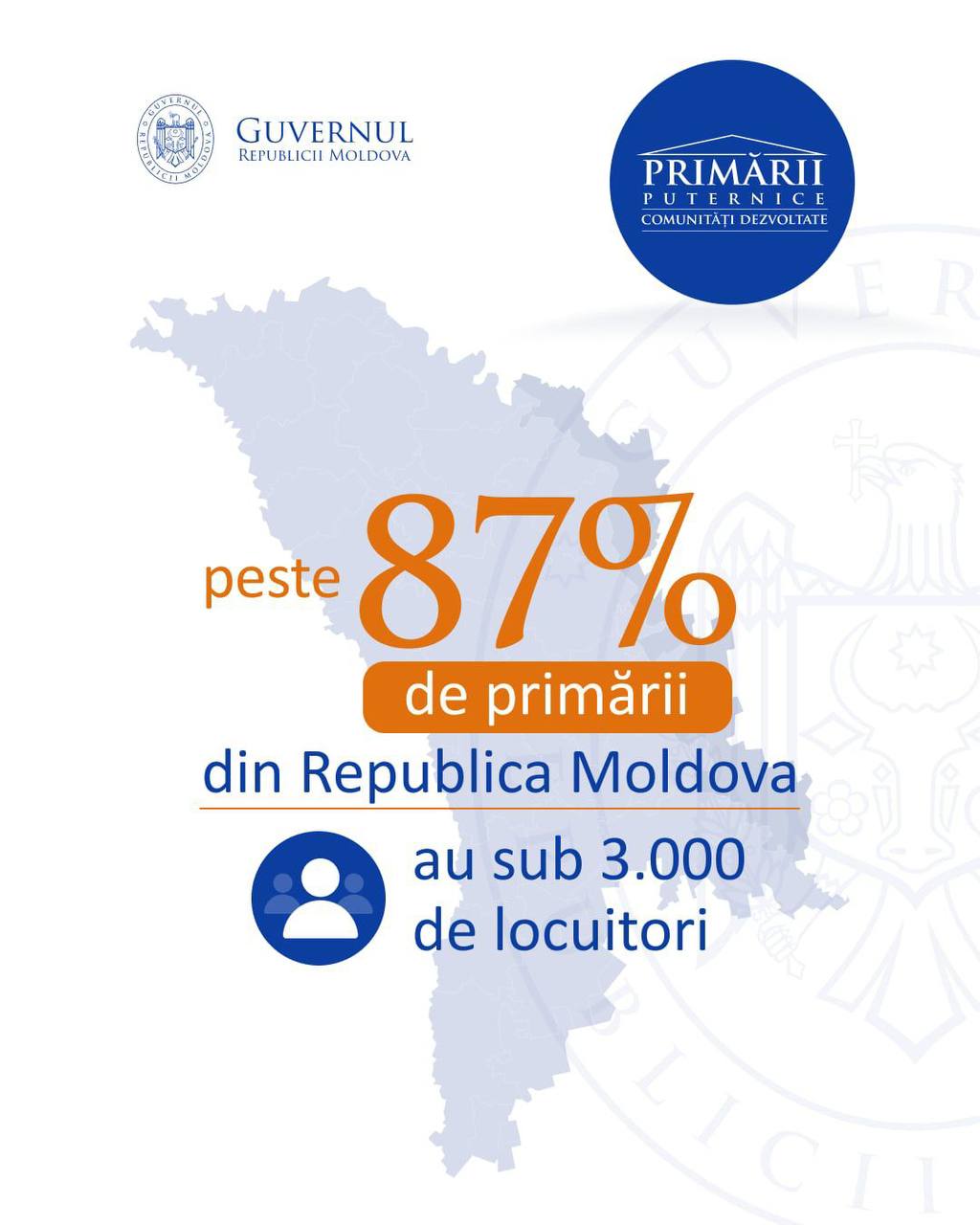
Alexei Buzu a precizat că, peste 87% dintre primării din Republica Moldova au sub 3.000 de locuitori. Fragmentarea prea mare nu aduce modernizare.
„Ce probleme vrem să rezolvăm prin reformă:
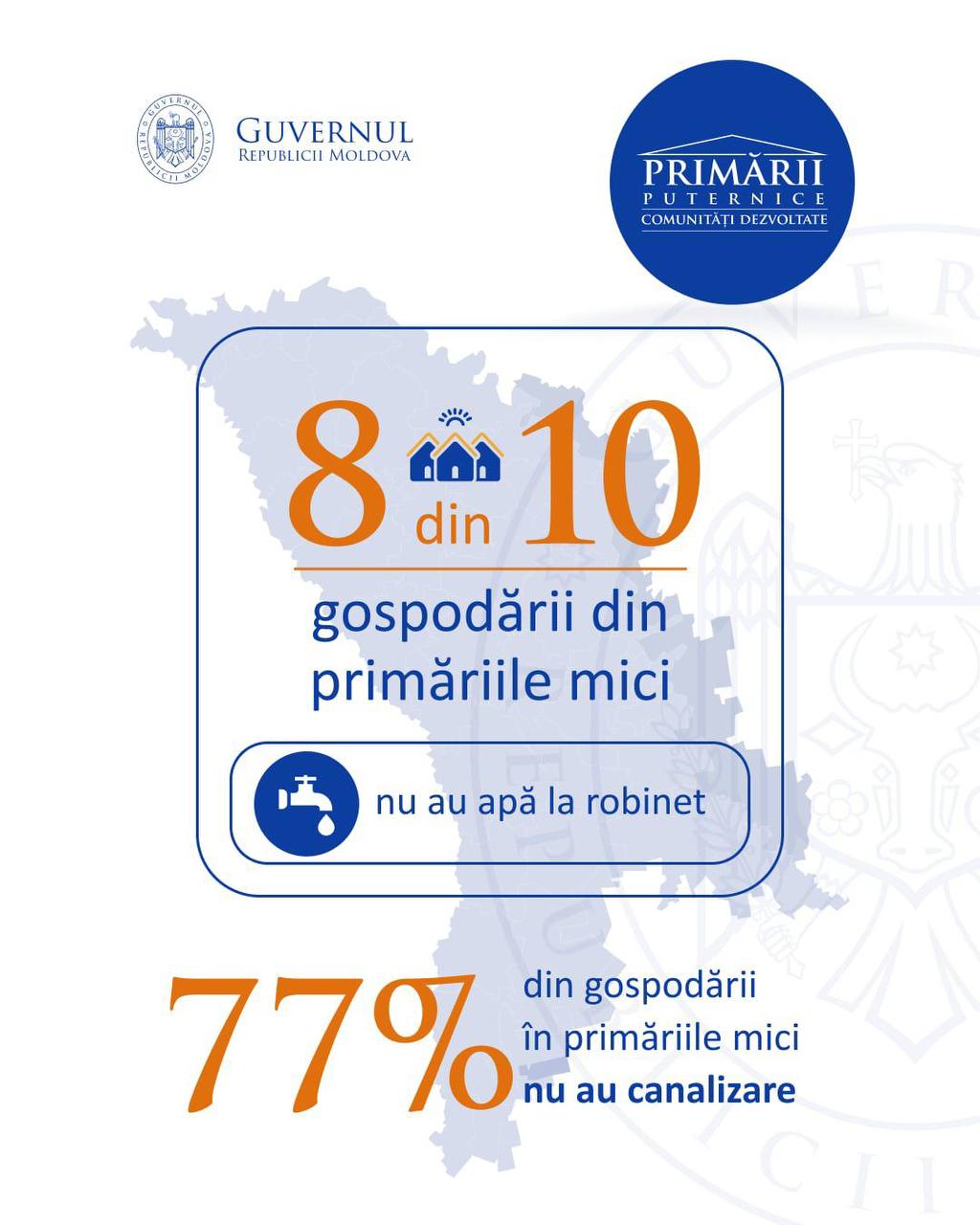
Inegalitatea în dezvoltare – primăriile mari reușesc să modernizeze mult mai rapid comunitățile comparativ cu primăriile mici. 34% din gospodăriile din Republica Moldova nu au apă și canalizare, iar dintre ele:
80% fără apeduct sunt cu primării mici
77% fără canalizare sunt cu primării mici
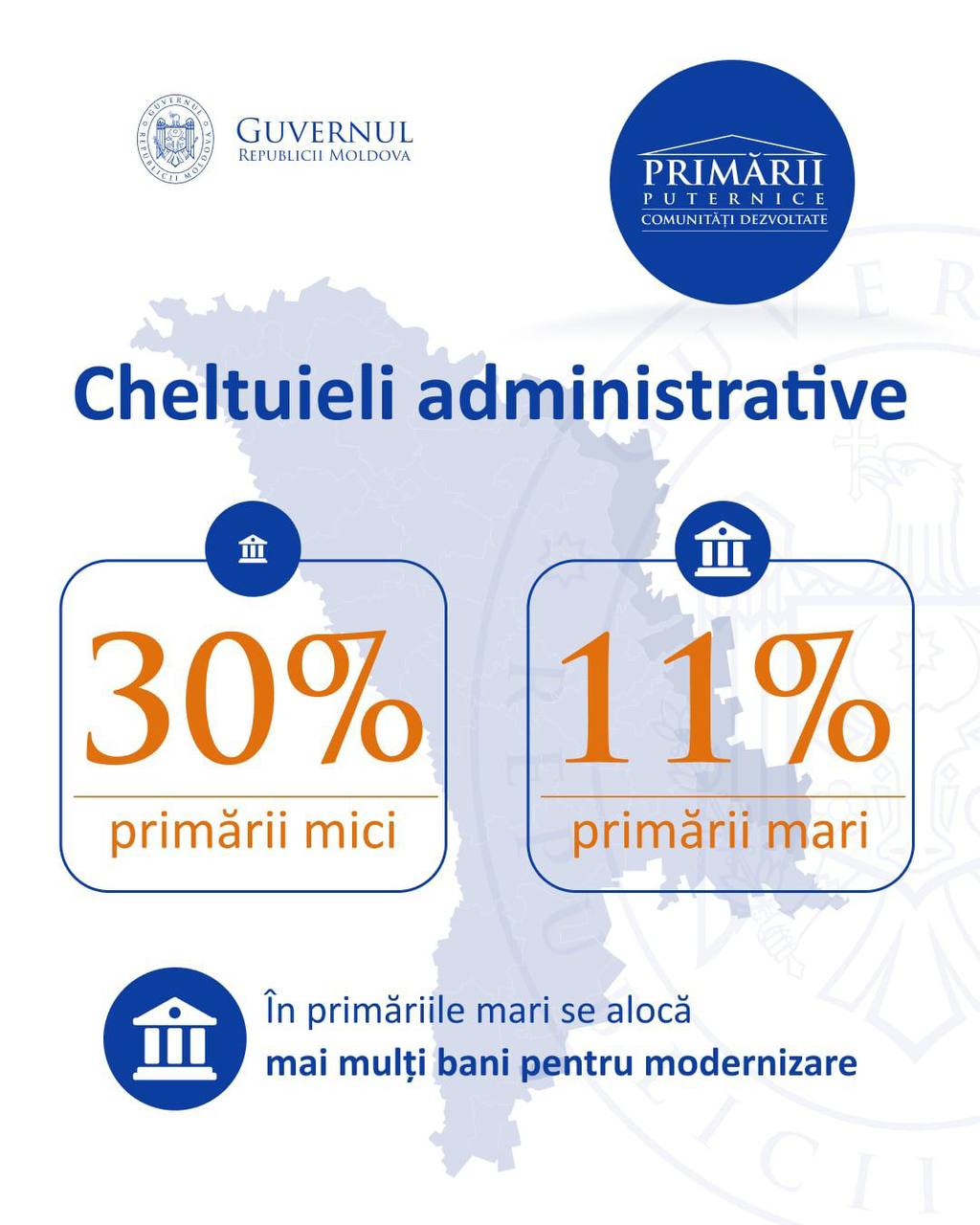
Venituri proprii reduse – spre deosebire de o primărie mare, bugetul propriu al unei primării mici este de doar circa 11%, iar 50-60% vin de la bugetul de stat.
Depopulare mai accentuată – primăriile mici pierd populație cel mai repede. Datele arată o scădere de 32,7% a populației în ultimii 10 ani, de 2 ori mai mare decât media națională (13,9%).
Acces limitat la servicii. Reforma va rezolva această problemă, pentru că în clădirile fostelor primării vor putea fi deschise CUPS-uri cu peste 600 de servicii publice. De asemenea, va exista un reprezentant al primarului în localitate ca legătură între comunitate și administrație.
Personal specializat mai puțin – 80,5% din primăriile mici nu au oameni dedicați managementului de proiecte. Noile primării vor putea avea aparate administrative de 10-20 de persoane, cu specialiști necesari.
Costuri administrative mari, bani puțini pentru dezvoltare – primăriile cu peste 3.000 de locuitori sunt mai puternice financiar și au mai mulți bani pentru proiecte.
Lipsa digitalizării serviciilor – doar 9,1% dintre primăriile mici oferă majoritatea serviciilor în format digital. Reforma va stimula digitalizarea, iar prin intermediul ghișeului unic, unde vor putea fi obținute documente centralizat, se vor reduce drumurile inutile, costurile de timp, birocrația și se vor elimina riscurile de corupție”, a explicat el.
Oficialul a spus și ce soluții propune reforma APL:
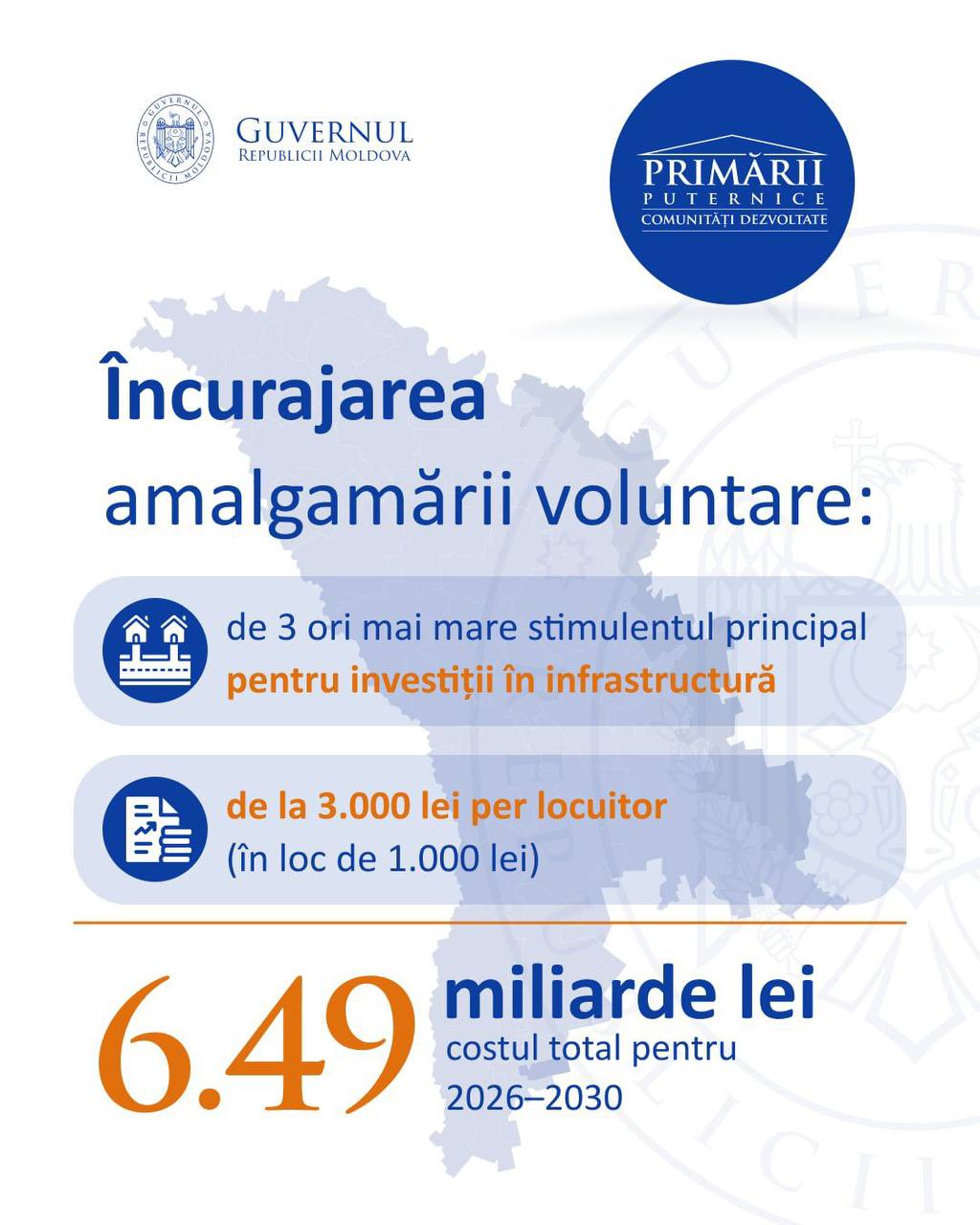
„Amalgamarea voluntară continuă. Guvernul va oferi de 3 ori mai mulți bani pentru investiții în infrastructură localităților care se vor amalgama. Costul total al pachetului de stimulente pentru 2026–2030 este de 6.491 miliarde lei.
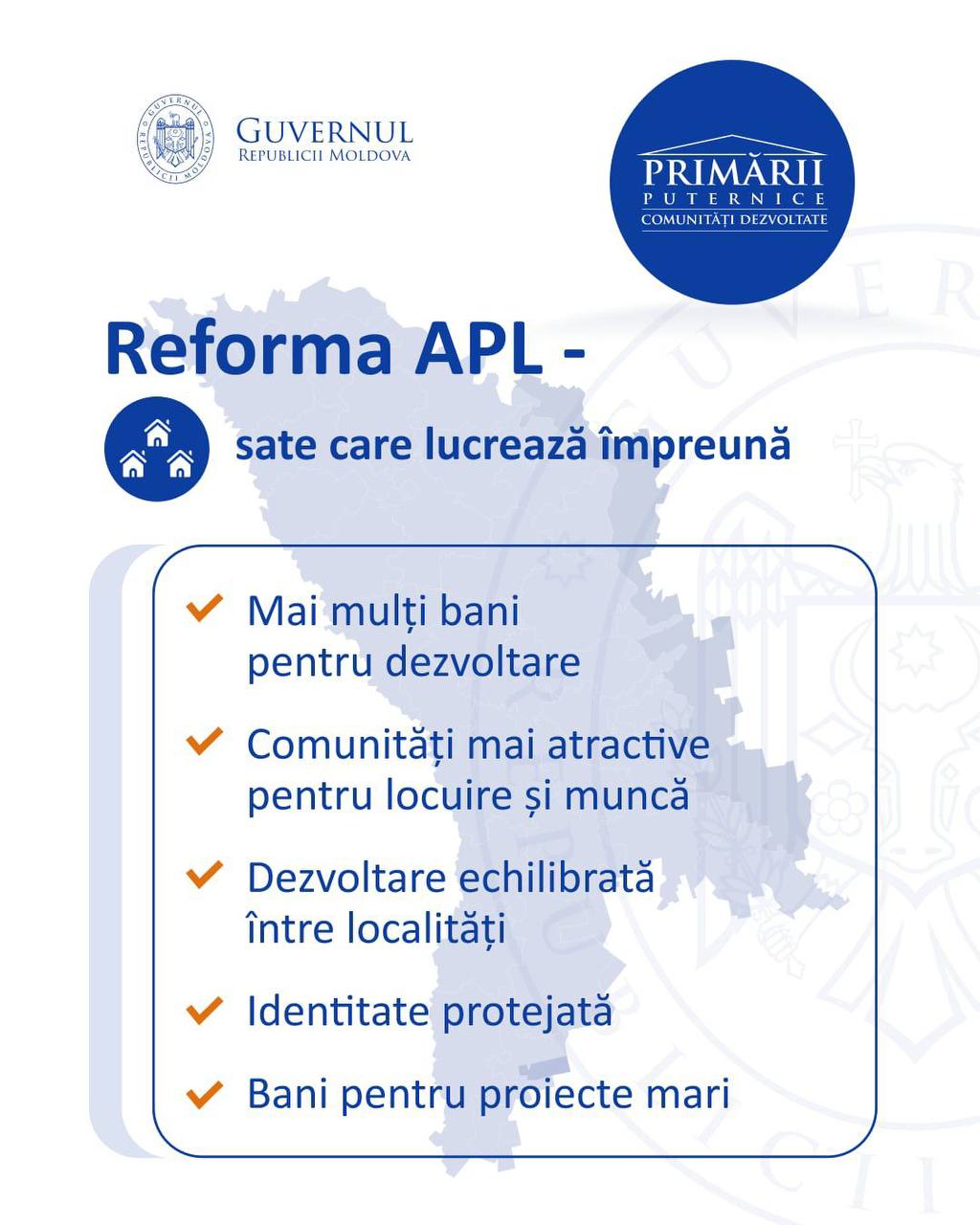
Satul meu, primăria noastră. Satul rămâne, identitatea locală se păstrează. Toate satele vor avea de câștigat când lucrează împreună. Localnicii vor avea legătură directă cu reprezentantul primarului în localitate, ca să fie auziți și nevoile locale să conteze.
Administrații care își unesc forțele și lucrează împreună. Se introduce pragul minim de 3.000 de locuitori pentru primării. Prin crearea unor administrații publice locale mai mari, comunitățile vor putea oferi servicii mai bune, vor avea capacitate și specialiști pentru a accesa fondurile externe și a implementa proiecte mari, mai multe resurse financiare disponibile pentru a îndeplini necesitățile localităților.
Colaborare regională pentru o administrare comună. Trecerea de la 32 de raioane la 10 raioane va accelera dezvoltarea regională, cu accent pe proiecte mari și dezvoltare intercomunitară. Cele 10 raioane vor fi centre de dezvoltare. Ele vor gestiona proiectele mari – drumuri regionale, spitale, managementul deșeurilor – pe care un raion de astăzi nu le poate susține singur.
Raionul Taraclia are un profil aparte: aproximativ 65,6% din populație este de etnie bulgară. De aceea, venim cu o soluție adaptată – transformarea Taracliei într-un municipiu de nivelul II, care să păstreze identitatea locală și, în același timp, să ofere o administrație mai eficientă și mai puternică”.
Secretarul general al Guvernul a subliniat: „Reformele necesare nu sunt cele mai populare, însă nu mai putem lăsa această schimbare pe seama generațiilor viitoare. Obiectivul reformei este să avem primării puternice și localități dezvoltate”.





 Loading ...