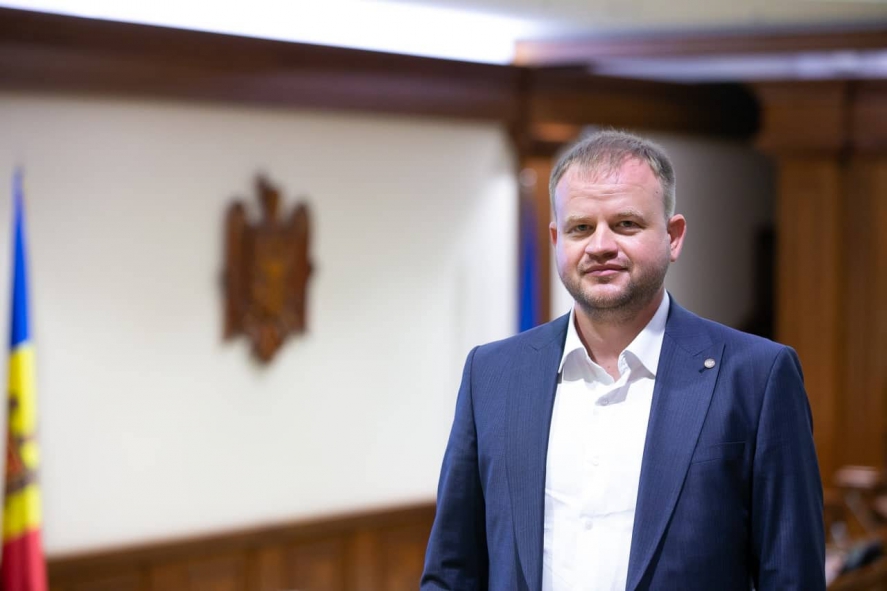
Roman Roșca, a member of Parliament and former Deputy Prime Minister for Reintegration, said that one of the narratives promoted by the structures on the left bank of the Dniester is that Chisinau does nothing for the people living there. However, he argued that the figures tell a different story, TRIBUNA reports.
According to Roșca, through the national healthcare, social protection and education systems, as well as infrastructure and other public services, the Republic of Moldova is present in the lives of tens of thousands of people living on the left bank of the Dniester and in the municipality of Bender.
“And I believe we need to do even more. Not to prove something to the structures in Tiraspol, nor to win a dispute in the public space, but because these people are citizens of the Republic of Moldova and they need to feel, in their everyday lives, that their state is there for them,” Roșca said.
He stressed that reintegration should begin with ensuring that people can effectively exercise their rights and benefit from state services.
“Reintegration begins where people can actually benefit from the rights and services provided by the state,” the former Deputy Prime Minister for Reintegration said.
Roșca argued that the authorities should continue removing barriers, bringing institutions closer to citizens and providing concrete solutions to their problems.
“For me, this is the meaning of reintegration: a greater presence of the state in people’s lives,” the MP concluded.


 Loading ...