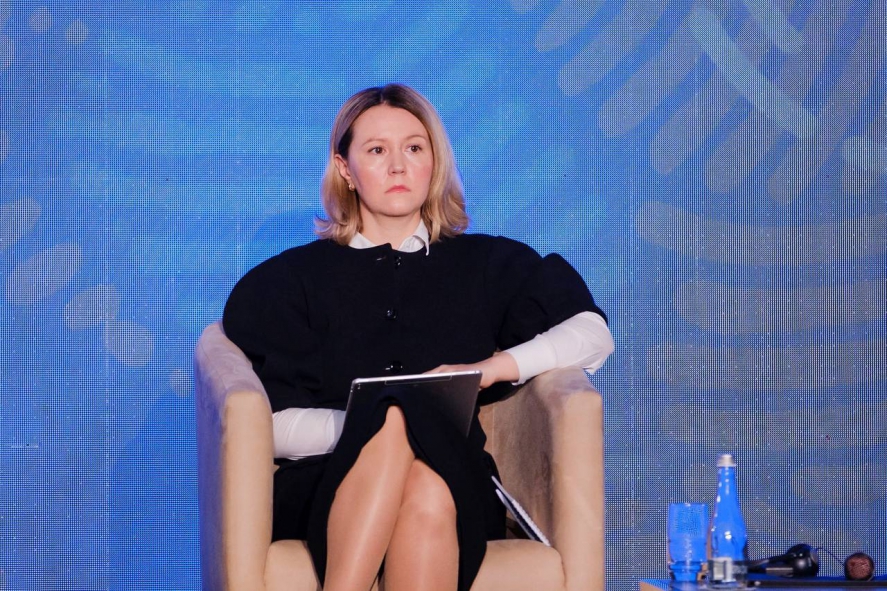
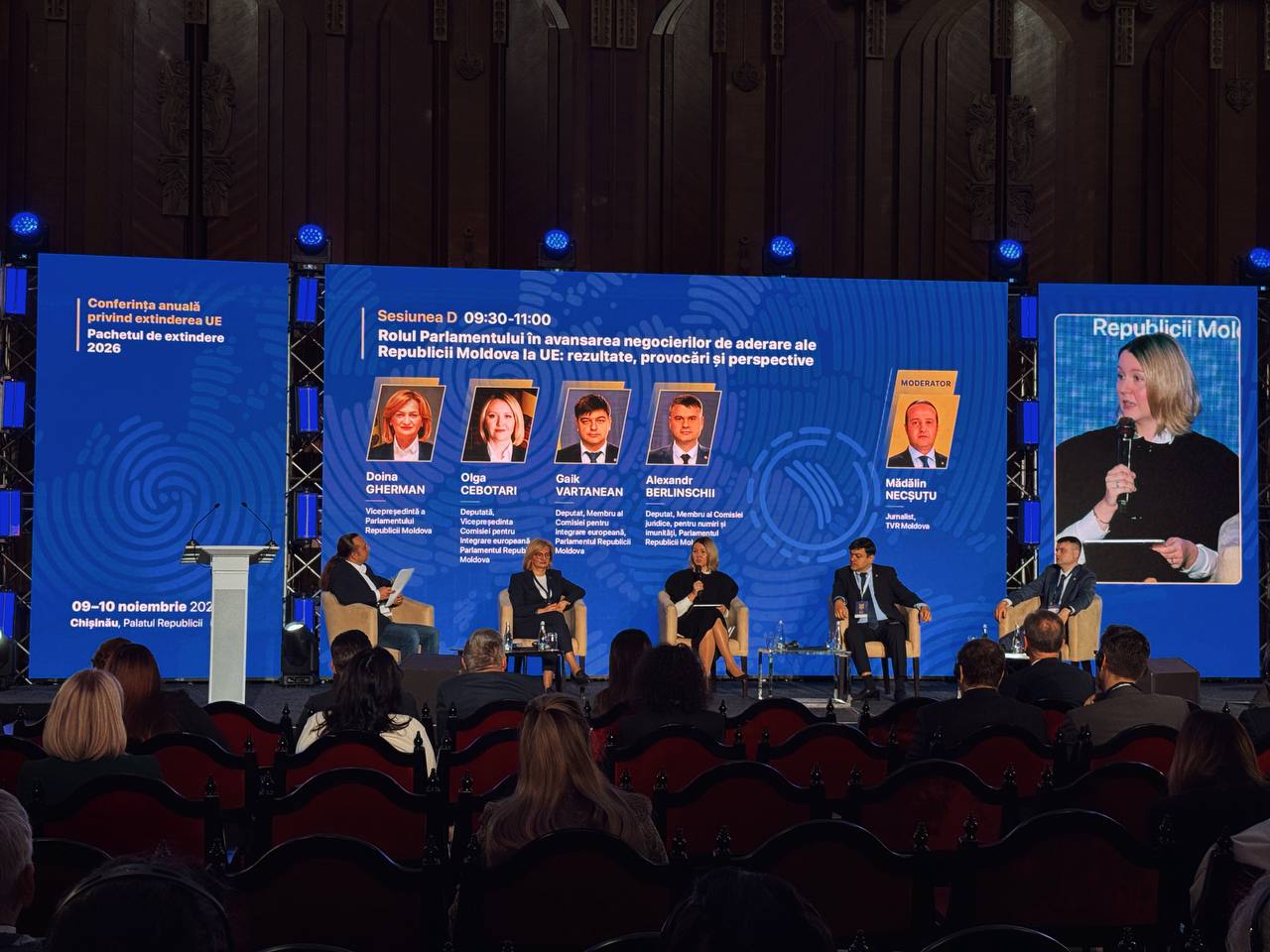
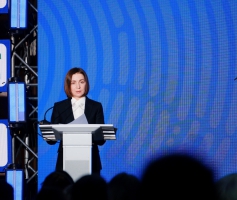
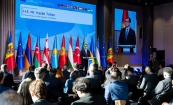
Olga Cebotari, a member of the Socialists’ parliamentary faction and Vice-Chairwoman of the Committee on European Integration of the Parliament of the Republic of Moldova, speaking at the Annual European Union Enlargement Conference during the session dedicated to Parliament’s role in Moldova’s accession negotiations, stated that “transposing the EU acquis is necessary, even when some of the provisions to be transposed have limited practical relevance. However, for citizens, reform becomes real when its effects are noticeable and measurable, and when their rights are protected.”
In this context, the politician outlined three challenges. The first concerns the volume and complexity of legislation.
“The truth is that the workload is substantial, and many draft laws are complex. They require legal, economic and technical expertise that we must be able to mobilize. It is not enough to know that a provision exists in European legislation. We must understand how it will work in the Republic of Moldova, how much it will cost and what consequences it will have for those required to comply with it.
Yes, the alignment timetable is no secret, but even so, many citizens are not prepared for the radical changes, for example, in the business environment. I understand the argument we hear from the government: there is an opportunity at the European level, and we must seize this moment. I agree that this opportunity matters.
However, the laws we adopt now will remain in force beyond this parliamentary term, and their consequences will be felt for years to come. Therefore, speed must be supported by capacity: experts, impact assessments, genuine and extensive consultations, and planning that is as predictable as possible.
If a complex draft law reaches Parliament late, with a very tight adoption deadline, the time available for its thorough examination is reduced,” she emphasized.
According to Cebotari, the second challenge is implementation capacity.
“The European report shows that approximately one in five positions in the public service is vacant. It also identifies shortcomings in implementation and a deterioration in the link between policies and funding.”
The third challenge, the MP noted, concerns the quality of monitoring.
“We need regular hearings focused on concrete problems. For every major commitment, it must be clear who is responsible for fulfilling it, within what timeframe, with what resources, and based on which indicators we assess the results.
When delays occur, hearings must clarify their causes and conclude with specific recommendations and a deadline by which the Committee will verify their implementation,” the parliamentarian added.
Olga Cebotari also stated that thorough preparations for implementing laws are needed before their adoption, along with earlier parliamentary involvement in discussing negotiation commitments.
“We must understand in advance what obligations we are undertaking, what capacity we have to fulfill them, and where well-justified transitional periods are necessary. These decisions will influence the budget, the competitiveness of the economy and people’s lives for many years.
Supporting the European objective obliges us to ask the Government tough questions. Parliament must also apply the same standards to its own work: transparency, consultation and thorough examination.
We must also speak openly about the relationship between the Government, the Bureau for European Integration and Parliament. Here, we must ask a very specific question: to what extent is an opposition MP involved in the European integration process? Are opposition MPs invited to contribute to discussions on negotiating positions, priorities and important decisions? Do they receive information in time and have the opportunity to submit proposals before decisions are made?
Based on my personal experience in the Committee, I believe that the Bureau for European Integration (BIE) does not sufficiently involve us in consultations regarding the accession process. Reports presented to the Committee are too infrequent or superficial, while discussions on important commitments do not always take place early enough for MPs to make an effective contribution.
Sometimes, we are informed about decisions that have already largely taken shape, when there is very little room left for genuine debate,” she stated.
The MP also emphasized that an opposition parliamentarian has the same mandate to represent citizens and the same responsibility to rigorously examine the country’s commitments.
“It is legitimate to ask why we are requesting a particular transitional period, whether the agreed deadline is realistic, what costs businesses will bear, or whether institutions are prepared to implement a reform.
Therefore, we need regular reports from the BIE and the responsible institutions, consultations before major decisions are taken, and follow-up on the recommendations issued by the Committee.
Supporting European integration also requires rigorous parliamentary oversight. Precisely because this process is so important, it must be subject to debate, transparency and democratic accountability,” Olga Cebotari added.
She further stressed: “European integration also requires a Parliament in which the opposition can effectively exercise oversight of the Government. The BIE and the responsible institutions must ensure regular and substantive consultations, including with opposition MPs. Our contribution must be assessed based on the strength of our arguments and their usefulness to the country.
Ultimately, people will judge this process by what changes in their lives. It is our responsibility to ensure that the laws we adopt bring about those changes.”

 Loading ...