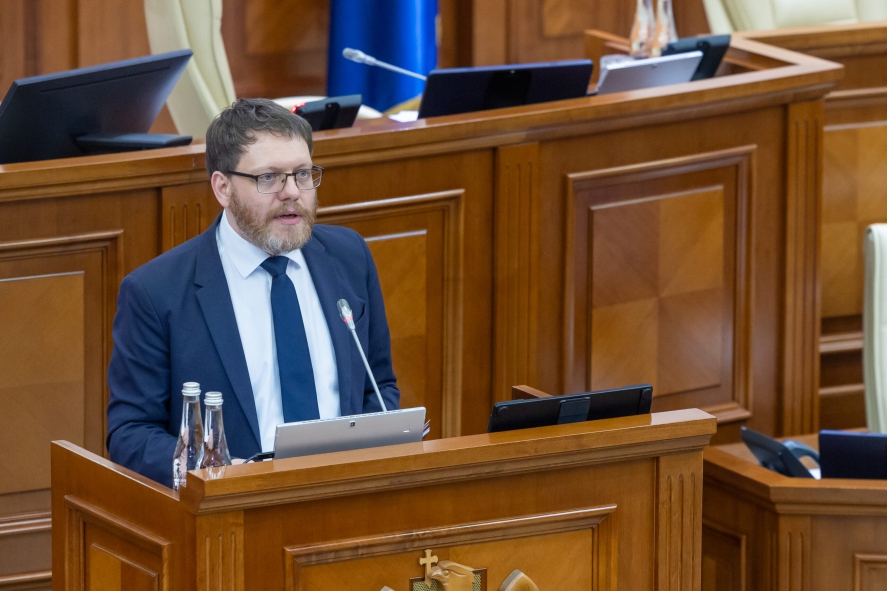
The Parliament heard the 2025 Report on preventing and combating discrimination in the Republic of Moldova, presented by Ian Feldman, Chair of the Equality Council.
Key figures
- 328 cases examined; 74 (24%) confirmed as discrimination.
- 11 contravention proceedings initiated, mostly related to workplace equality violations and harassment.
- Main fields affected:
- Employment – 54%
- Access to goods and public services – 20%
- Education – 6%
- Main discrimination grounds:
- Gender – 29%
- Age – 12.5%
- Disability / health status – 10%
- Direct discrimination accounted for 68% of confirmed cases (up 5 p.p. from the previous year).
Employment
Most cases were based on sex/gender (45%) and age (21%). Reported issues included discriminatory job ads, refusal to hire people with HIV+, workplace harassment, restrictions on family life, and arbitrary dismissal of pensioners.
Access to goods and services
Discrimination mainly affected persons with disabilities, including lack of ramps, inaccessible public and medical services, and restrictions based on language, ethnicity, or political opinion.
Systemic issues identified
- Limited access to education for students with special educational needs.
- Restrictions on freedom of expression and assembly based on sexual orientation and gender identity.
- Unequal treatment of persons with disabilities in fiscal and customs facilities.
- Discriminatory provisions persisting in health, tax, and labour legislation.
Progress recorded in 2025
- Ending the practice of concentrating life‑sentenced detainees in a single penitentiary.
- Improving accessibility in several post offices and public institutions.
- Removing red licence plates for foreign citizens and stateless persons with permanent residence.
Institutional follow‑up
The Equality Council issued recommendations to state authorities. The Parliamentary Committee on Human Rights and Interethnic Relations drafted a decision—adopted by Parliament—requiring institutions to report back on implementation.
About the Equality Council
A collegial body of five members appointed by Parliament for a five‑year term, mandated to prevent discrimination, ensure equality, and promote equal opportunities and diversity.


 Loading ...