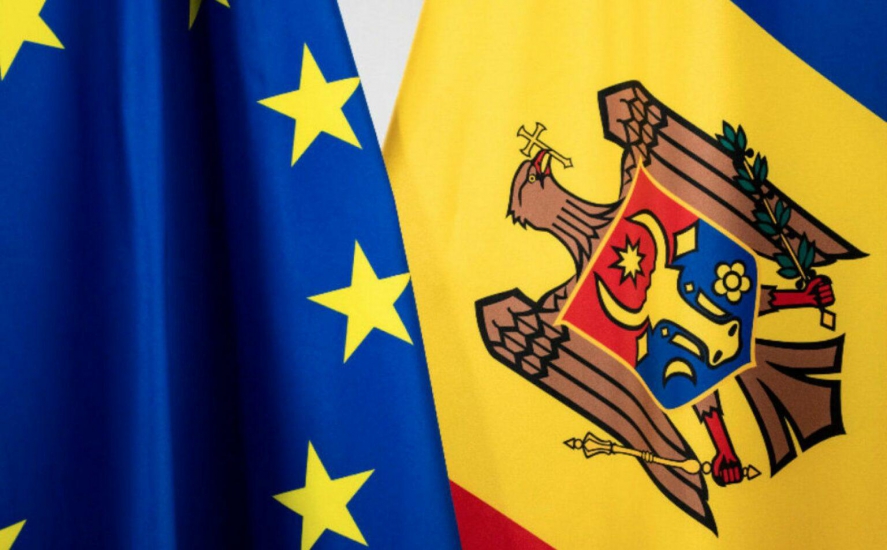
After successfully implementing 24 committed reforms, the Republic of Moldova will receive the second tranche of the Growth Plan — €173 million. In addition, the European Commission will provide €15.6 million in grants to support investments in Moldova. The country is also opening technical negotiations on the last three clusters of accession chapters. The decisions were taken today by the European Commission, TRIBUNA reports.
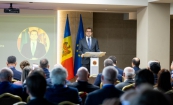
“These decisions confirm that our country is honoring its commitments in the EU accession process. The funds will be directed toward projects that matter for citizens: in the energy sector, for advancing the construction of the regional hospital in Bălți, for expanding access to drinking water in several localities, for developing childcare services, and for supporting young people entering the labor market. Moldova is investing in people, and these projects will bring better living conditions across the country,” stated Prime Minister Alexandru Munteanu.
Among the key reforms implemented by the Republic of Moldova are reducing bureaucracy, strengthening cybersecurity and emergency‑response capacities, and advancing the digitalization of public services and customs processes for the business environment.
The country has also carried out reforms to increase budget transparency, strengthen anti‑fraud mechanisms, recover assets, and consolidate the justice system. These achievements demonstrate Moldova’s firm commitment to the European path and contribute to improving its attractiveness for foreign investment.
The €189 million announced today comes in addition to the €289 million already disbursed in 2025. In October 2024, the European Commission adopted the Growth Plan for the Republic of Moldova, with a total value of €1.9 billion. Funds are allocated based on the progress made by the country in implementing reforms.
The first tranche of the Growth Plan, disbursed in March 2025, included budget allocations in two areas:
- The energy package, which provided support to the population for paying utility bills;
- The economic package, aimed at infrastructure investments, economic growth, job creation, and higher incomes for citizens.
The energy package included:
- electricity bill compensations;
- monetary heating compensations during the cold season;
- compensations for local public authorities to reduce electricity costs for hospitals, kindergartens, schools, and other social institutions;
- compensations for agro‑food enterprises, covering 50% of the increase in electricity tariffs;
- energy‑efficiency projects.
The second package included major infrastructure investments:
- 1 billion lei for local roads in about 100 localities, 230 local and regional projects nationwide, and courtyard modernization in Chișinău;
- 1 billion lei for repairing around 200 km of regional and district roads;
- 200 million lei for modernizing school canteens;
- 200 million lei for 700 entrepreneurs to create new jobs;
- 200 million lei for farmers;
- 60 million lei for young employees — a 3,000‑lei salary supplement for first‑time employees working in Moldova;
- 100 million lei for environmental projects;
- 85 million lei for repairing the access road from Cantemir to the Fălciu railway bridge, where traffic has been suspended for 30 years;
- repairs to the Văleni railway segment.

 Loading ...