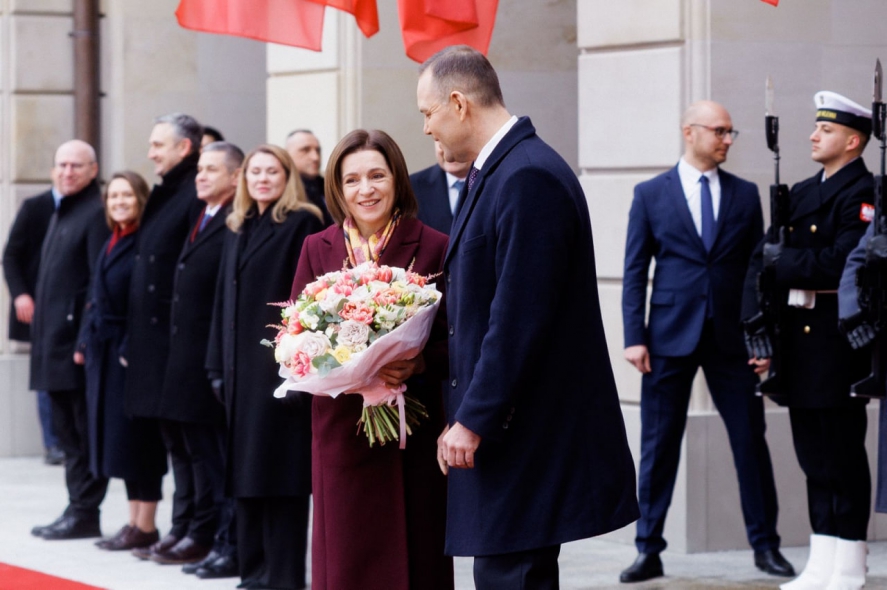
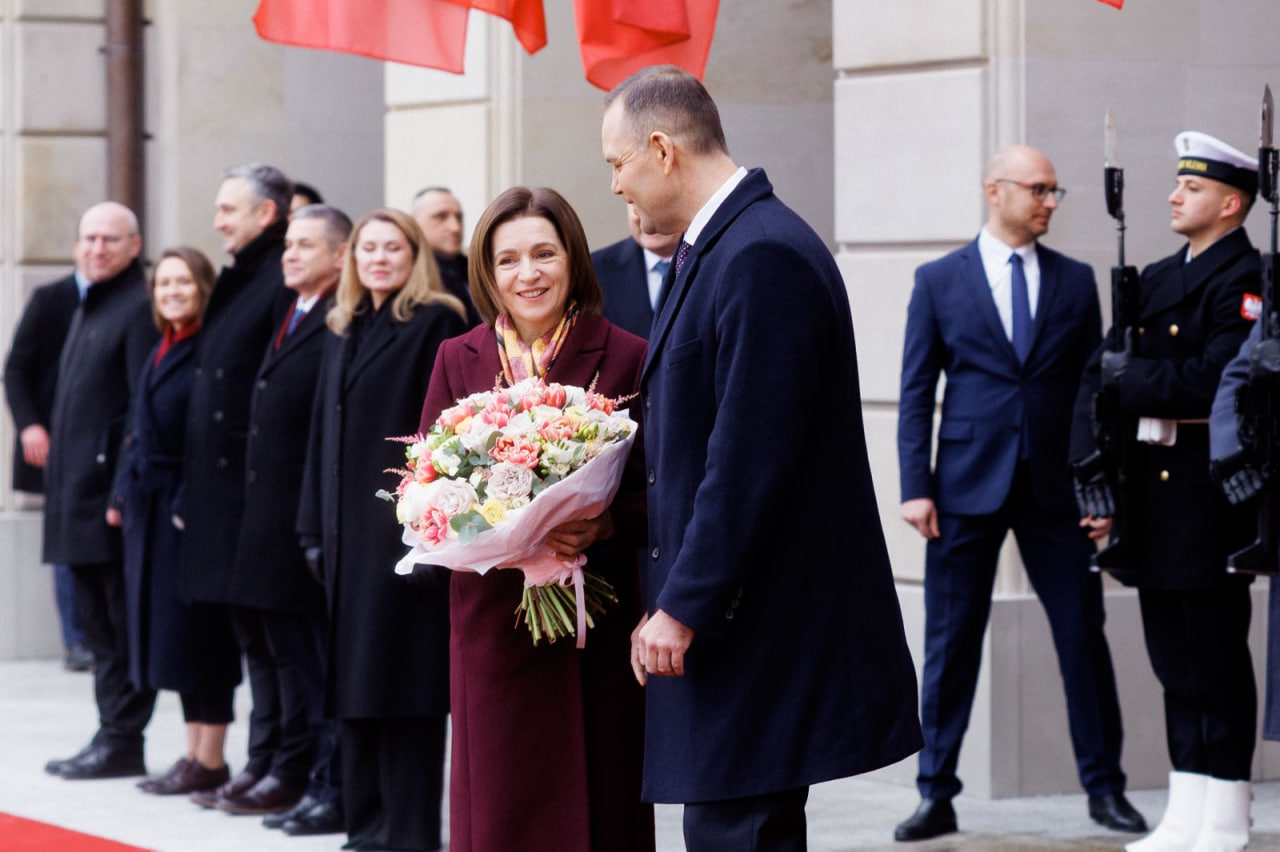
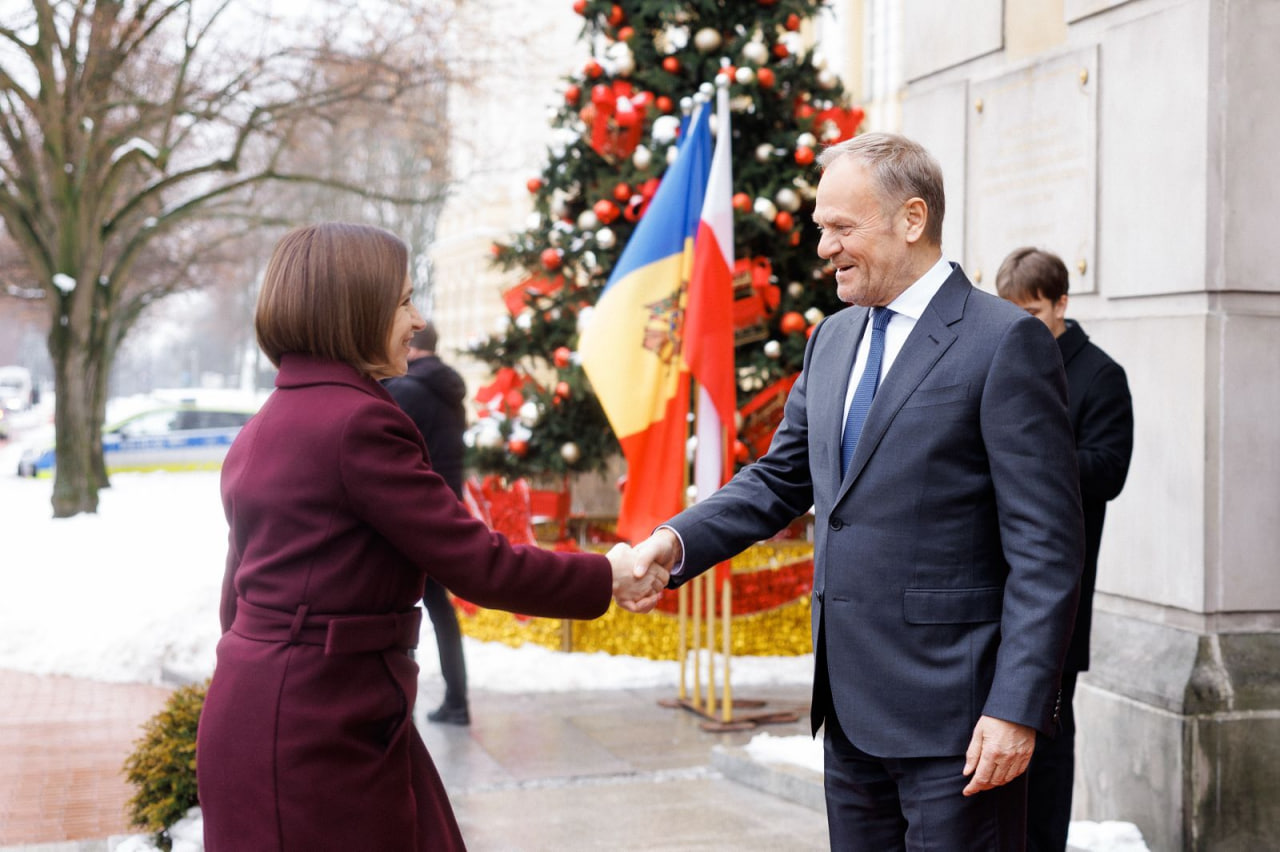
President Maia Sandu of the Republic of Moldova paid an official visit to the Republic of Poland at the invitation of Polish President Karol Nawrocki. The visit reaffirmed the strength of the Moldovan‑Polish partnership, Poland’s consistent support for Moldova’s European path, and the two countries’ shared commitment to strengthening regional security amid Russia’s war of aggression against Ukraine and the intensification of hybrid threats.
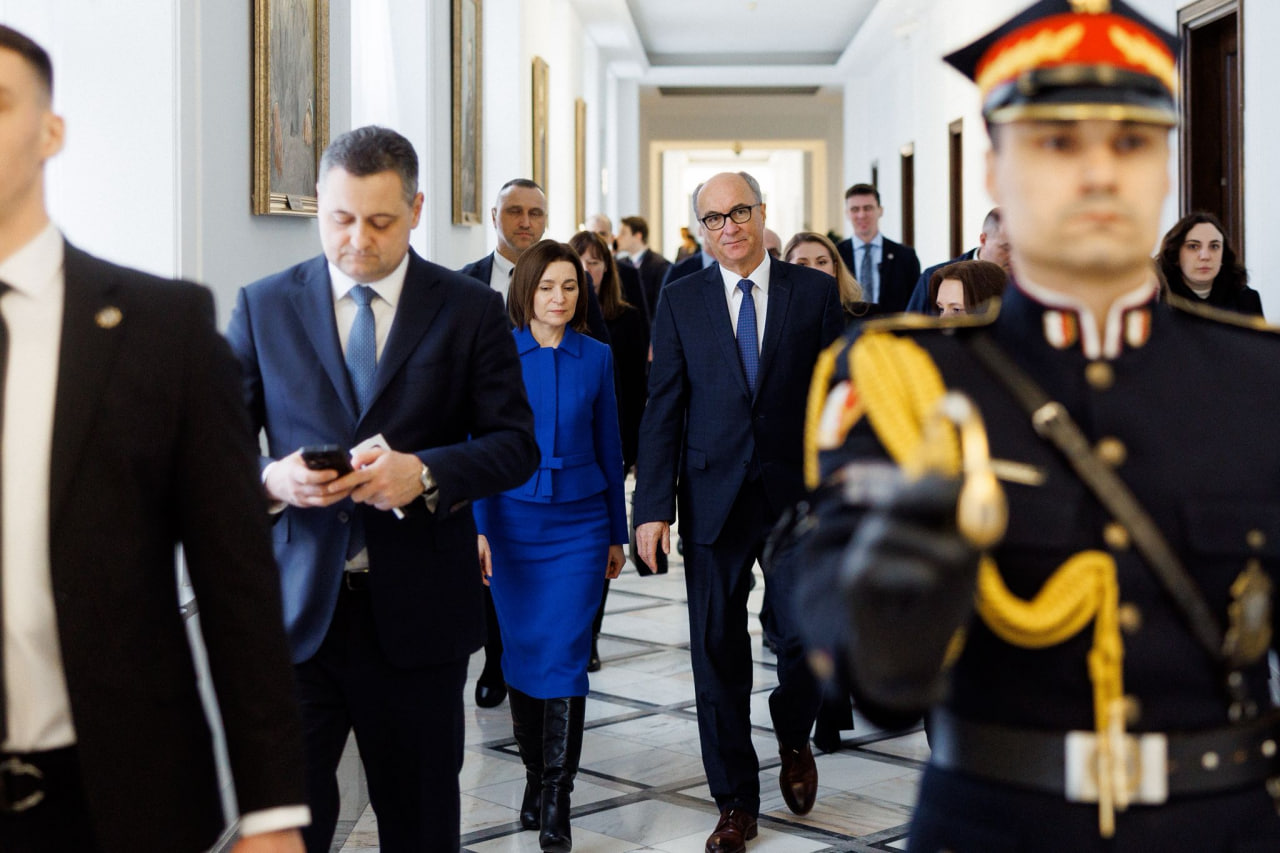
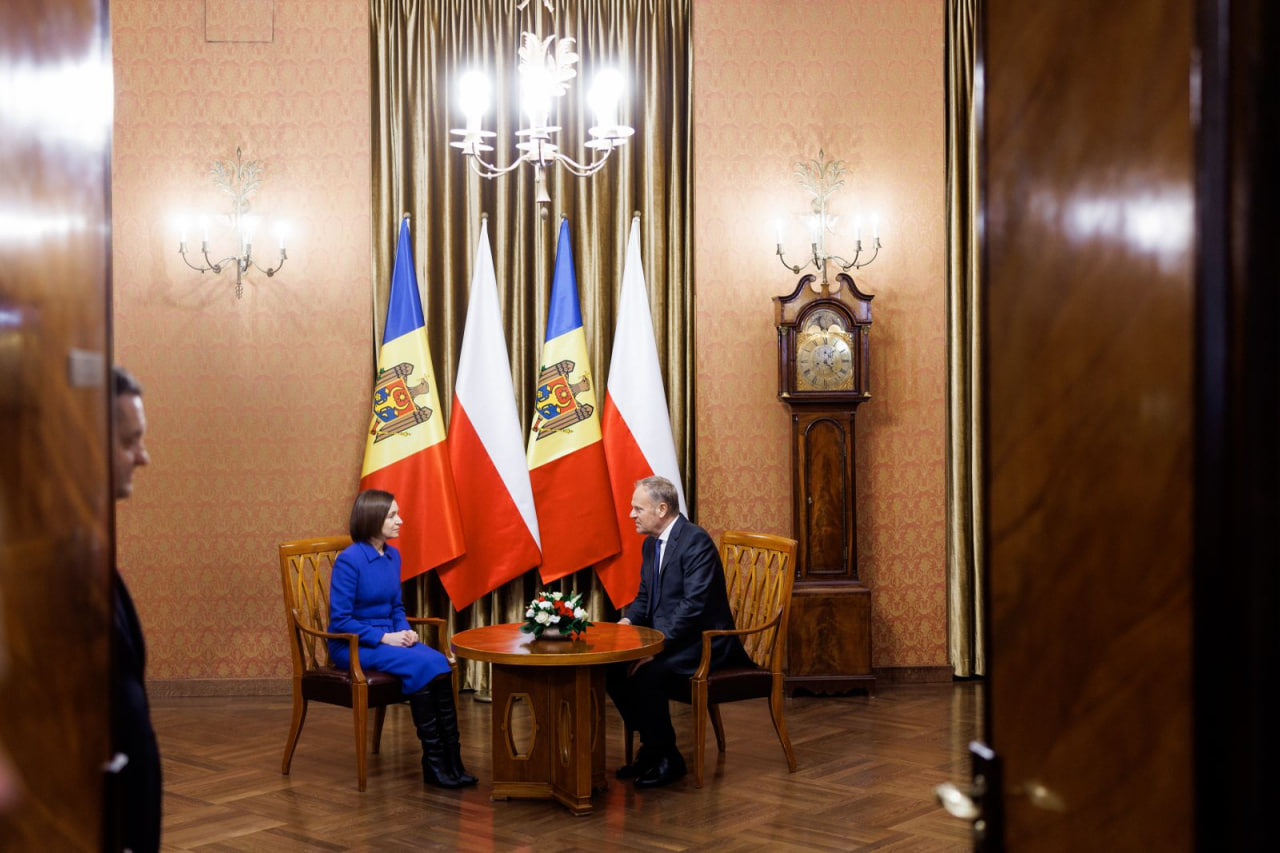
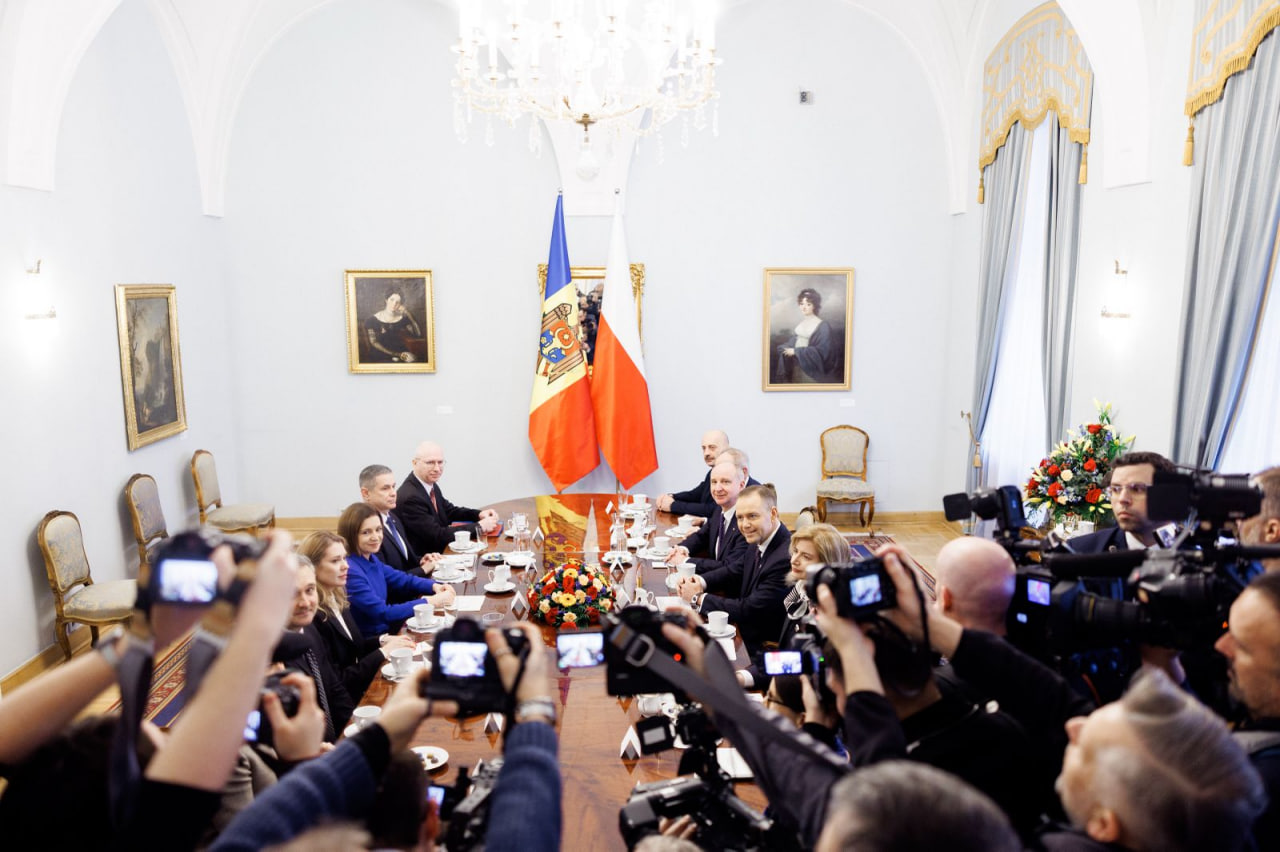
During the visit, the Head of State held meetings with Poland’s Prime Minister Donald Tusk, the Marshal of the Senate, Małgorzata Kidawa‑Błońska, and the Marshal of the Sejm, Włodzimierz Czarzasty. Discussions focused on deepening political dialogue, expanding economic cooperation, and strengthening parliamentary support for Moldova’s European agenda.
“Poland and Moldova share a partnership of more than three decades, built on trust, solidarity, and a common understanding of the realities in our region,” President Maia Sandu stated during the joint press conference with her Polish counterpart. She expressed confidence that this partnership “will continue to grow — politically, economically, and strategically.”
The President highlighted Poland’s support for strengthening Moldova’s resilience and reiterated the country’s firm commitment to European integration, stressing that “joining the European Union is the clearest guarantee of security, democracy, and freedom for the Republic of Moldova.”
A key topic discussed in Warsaw was defence cooperation. “We are working on updating and deepening the bilateral defence cooperation agreement so that it reflects the current security environment and strengthens cooperation between our institutions,” President Sandu noted, emphasizing efforts to counter hybrid threats and protect critical infrastructure.
The visit also addressed cooperation in the field of historical memory. In this context, President Sandu visited the Katyn Museum, dedicated to documenting the 1940 Katyn massacre committed by the Soviet regime in the Smolensk region, where approximately 22,000 Polish officers and intellectuals were executed. The visit underscored the importance of preserving historical memory as a cornerstone of democratic resilience. “When we speak honestly about tragedies, we build a stronger and more resilient society — one that knows what it must defend,” President Sandu said.
The official visit to Warsaw reaffirmed the commitment of both Moldova and Poland to cooperation, solidarity, and steadfast support for Ukraine. “In a world marked by pressure and division, Poland and Moldova choose cooperation,” President Maia Sandu concluded.
 Loading ...