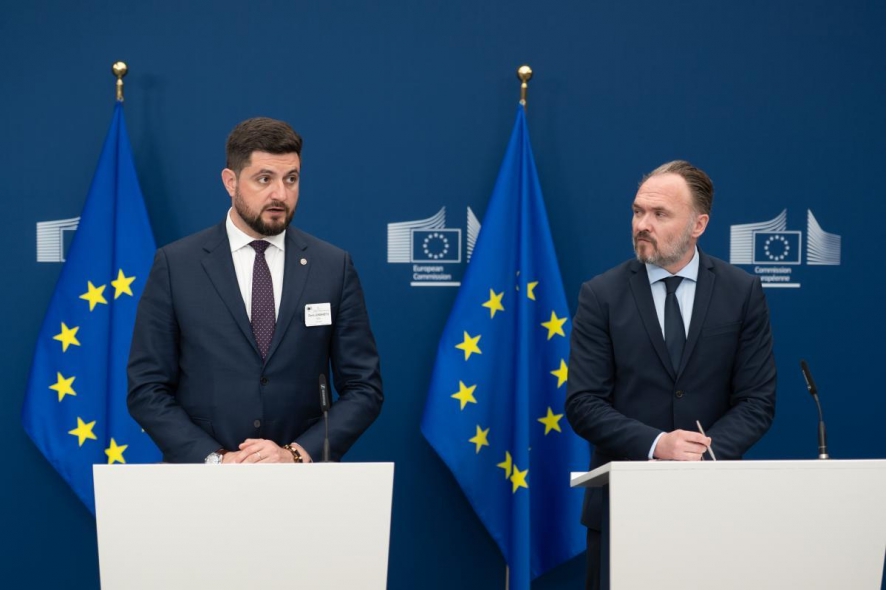
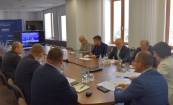
Ministrul Energiei, Dorin Junghietu, a participat la cea de-a șaptea ediție a Dialogului energetic la nivel înalt UE–Republica Moldova, desfășurată la Bruxelles, o platformă de dialog esențială pentru coordonarea cooperării în domeniul energetic și pentru avansarea integrării țării noastre în piața energetică europeană. Reuniunea a fost co-prezidată de comisarul european pentru Energie și Locuințe, Dan Jørgensen, și ministrul Dorin Junghietu, cu participarea Secretariatului Comunității Energetice, informează TRIBUNA.
În deschiderea reuniunii, ministrul Energiei a subliniat transformarea profundă prin care trece sectorul energetic al Republicii Moldova, dar și rolul crucial al parteneriatului cu Uniunea Europeană.
„Acest dialog și-a demonstrat în repetate rânduri valoarea strategică și reflectă un parteneriat de succes. Suntem recunoscători Comisiei Europene pentru sprijinul constant acordat Republicii Moldova”, a declarat Dorin Junghietu.
Oficialul a evidențiat faptul că reziliența energetică a Republicii Moldova nu mai este doar un obiectiv, ci un proces concret aflat în plină desfășurare.
„Securitatea energetică nu mai este o promisiune politică, ci un sistem în construcție. Am înlocuit dependența cu diversificarea, incertitudinea cu reguli de piață și izolarea cu integrarea europeană”, a spus ministrul.
Discuțiile au vizat principalele priorități energetice în contextul geopolitic actual, inclusiv securitatea aprovizionării, pregătirea pentru sezonul cald și rece, reformele piețelor de energie electrică și gaze, dezvoltarea infrastructurii strategice, precum și accelerarea tranziției către energie regenerabilă și eficiență energetică.
În cadrul reuniunii, ministrul a prezentat măsurile adoptate pentru consolidarea rezilienței energetice, inclusiv finalizarea Planului de contingență pentru vară, elaborat împreună cu partenerii europeni. Acesta a atras atenția asupra provocărilor specifice perioadei estivale, când cererea de energie este ridicată, iar capacitatea centralelor de termoficare este redusă, subliniind în același timp nivelul de pregătire al autorităților.
„Suntem cât se poate de pregătiți în contextul actual, dar rămânem vigilenți în fața riscurilor, inclusiv a celor generate de evoluțiile regionale și de posibile atacuri asupra infrastructurii energetice”, a punctat ministrul.
Ministrul a vorbit despre dezvoltarea capacităților de stocare a energiei, subliniind inaugurarea primei instalații de baterii la scară largă și accelerarea proiectelor în acest domeniu. În ceea ce privește sectorul energiei electrice, acesta a evidențiat lansarea piețelor angro organizate și a pieței de echilibrare, precum și faptul că capacitatea instalată din surse regenerabile a depășit pragul de 1 GW.
În sectorul gazelor naturale, Republica Moldova și-a consolidat modelul de aprovizionare prin integrarea pe piețele europene, diversificarea rutelor și constituirea de stocuri comerciale și de securitate. În paralel, reformele structurale au avansat semnificativ, inclusiv prin separarea activităţilor de transport, furnizare şi distribuţie, liberalizarea pieței gazelor și desemnarea Energocom ca furnizor de serviciu public.
Ministrul a evidențiat și lecțiile învățate în urma crizelor recente din sistemul energetic, inclusiv întreruperile majore de energie și atacurile asupra infrastructurii regionale.
„Am demonstrat că solidaritatea europeană funcționează nu doar în declarații, ci și în momente de criză. În câteva ore, am reușit să restabilim alimentarea cu energie prin coordonare cu România și Ucraina”, a declarat acesta, subliniind că interconectarea și cooperarea regională sunt esențiale pentru securitatea energetică a întregii regiuni.
Uniunea Europeană a salutat progresele Republicii Moldova în consolidarea securității și alinierea la standardele europene, reiterând sprijinul politic, tehnic și financiar pentru continuarea reformelor și dezvoltarea unui sistem energetic modern.
„Energia nu înseamnă doar kilowați și metri cubi. Înseamnă încredere, stabilitate și viitorul european al cetățenilor noștri. Republica Moldova este pregătită să construiască acest viitor împreună cu Uniunea Europeană”, a conchis Dorin Junghietu.
Dialogul energetic la nivel înalt UE–Republica Moldova, lansat în 2021, rămâne o platformă-cheie pentru coordonarea cooperării bilaterale și pentru susținerea transformării sectorului energetic al țării noastre în linie cu standardele europene.
 Loading ...