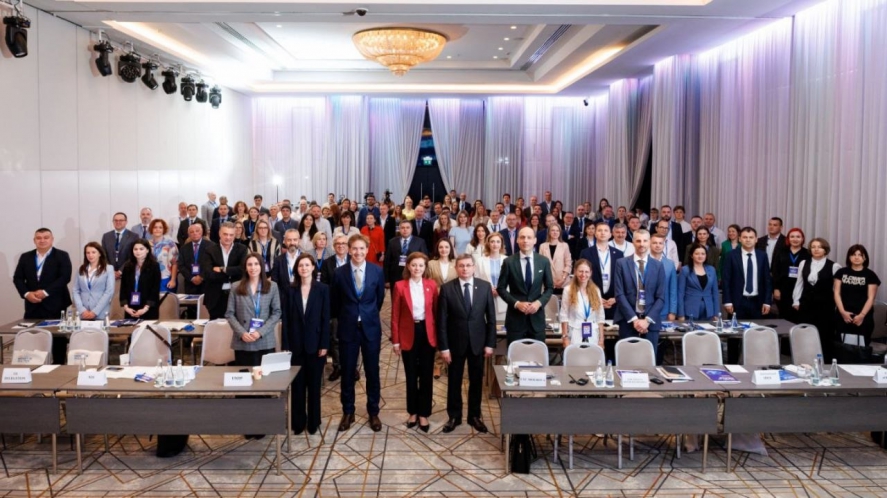
On 16 June 2026, the Central Electoral Commission (CEC) of the Republic of Moldova opened the seventh edition of the Regional Conference “Money in Politics,” a two‑day event held in Chișinău. The conference brings together more than 100 participants, including representatives of electoral authorities, anti‑corruption institutions, civil society organizations, investigative journalists and international experts from around 20 countries, among them Ukraine, Albania, North Macedonia, Montenegro, Bosnia and Herzegovina, Romania, Latvia, Lithuania, Armenia and Poland.
This year’s theme, “From Virtual Money to Real Influence: New Frontiers of Democratic Resilience,” reflects the growing urgency with which states in the region are confronting unprecedented challenges: the use of cryptocurrencies and fintech tools in illicit campaign financing, foreign financial interference through digital channels and vulnerabilities created by the rapid transformation of the information environment.
In her opening remarks, CEC President Angelica Caraman emphasized that the accelerated evolution of the digital sphere is fundamentally reshaping how electoral campaigns are financed and conducted. She noted that during Moldova’s most recent parliamentary elections, reported spending on online advertising increased by more than 100,000 euros compared with the previous election cycle — a rise of over 39 percent.
“The digital space is becoming the main arena of electoral competition, and democratic institutions must adapt their tools and protective mechanisms to these new realities,” Caraman said, highlighting the need for coordinated responses to emerging risks linked to political financing in the online environment.
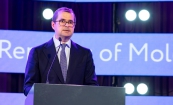
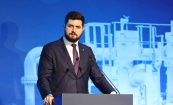
Speaking at the event, the President of the Parliament of the Republic of Moldova, Igor Grosu, underscored the importance of regional cooperation in identifying and countering new forms of influence on democratic processes. He noted that many of the challenges faced by states in the region transcend national borders and require joint solutions.
“It is good that we have a format where we can learn from one another. Each country brings its own experiences and lessons learned, and the exchange of best practices helps us better understand common challenges and identify more effective solutions to protect the integrity of democratic processes,” Grosu stated.
Over six plenary sessions, experts from International IDEA, the Council of Europe, ODIHR, OIF, NDI and UNDP will address topics including the operationalization of the European Democracy Shield at the regional level, mechanisms for detecting cross‑border financial interference, oversight of virtual assets in electoral contexts and the use of artificial intelligence in monitoring political campaigns.
The conference is organized by the Central Electoral Commission of the Republic of Moldova in partnership with International IDEA, the Council of Europe, the United Nations Development Programme (UNDP), the National Democratic Institute (NDI) and the International Organisation of La Francophonie (OIF), with financial support from the European Union and the governments of Norway, Sweden, Denmark and Canada.


 Loading ...