Households will be able to manage their energy consumption more efficiently through the continued rollout of smart meters, while energy networks will be modernized to significantly reduce energy losses. The Government of the Republic of Moldova has approved the Digital Transformation Program for the Energy Sector for 2026–2030, developed by the Ministry of Energy with support from UNDP Moldova and the Government of Italy.
By 2027, 100,000 vulnerable households will be equipped with smart meters. In total, 500,000 meters will be installed, covering at least 40% of domestic consumers, with priority given to vulnerable families and urban areas.
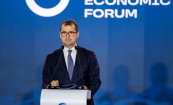
Minister of Energy Dorin Junghietu emphasized:
“Digital transformation of the energy sector is a strategic priority for the Republic of Moldova. It brings tangible benefits to every citizen—reducing costs, increasing transparency, and providing effective tools to manage energy consumption, while strengthening the sector’s security and competitiveness.”
The program will significantly improve and modernize energy networks, reducing losses to 10%, which will generate annual savings of approximately 200 million lei. Operational costs will decrease by 20–25% by 2030, resulting in more affordable tariffs for consumers and increased competitiveness for businesses.
In parallel, the program introduces the National Consumption Point Registry (RNLC), assigning each consumption point a unique code to enhance billing transparency, continuous monitoring, and rapid supplier switching.
It will also ensure real-time data collection, analysis, and reporting on energy production, import, and consumption, accessible to authorities, suppliers, and consumers.
Digital transformation will have a major impact on the green transition. The integration capacity of renewable energy sources will increase from 150 MW to 600 MW by 2030.
The program will contribute to achieving the goals of Moldova’s Integrated National Energy and Climate Plan (PNIEC), targeting 30% renewable energy and supporting the country’s transition to a green economy.

 Loading ...