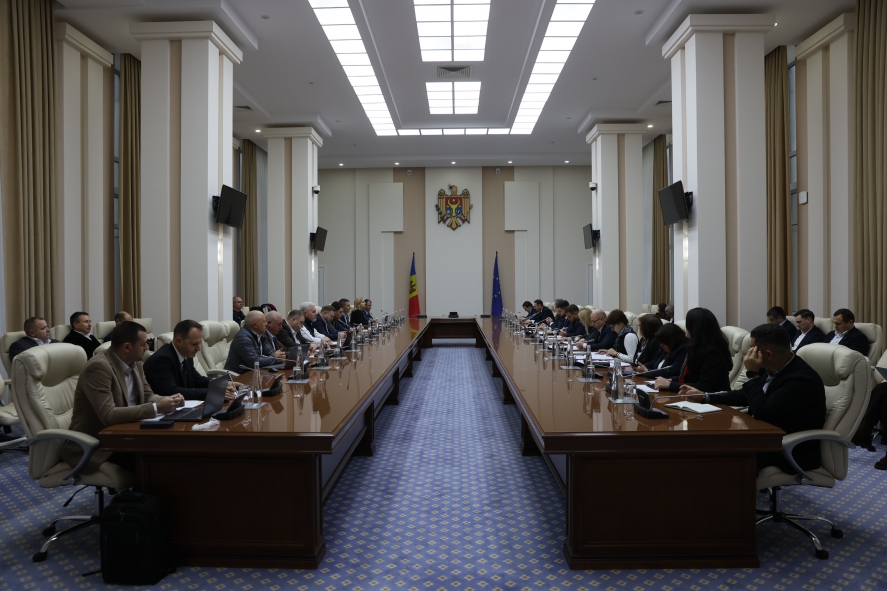
Preparations of energy infrastructure, fuel stockpiles, and the continuity of natural gas and electricity supplies were reviewed at a meeting of the Commission for Preparing for the 2026–2027 Heating Season, held on November 2. Discussions focused on the reported progress in implementing the Action Plan and the measures that still need to be completed in the coming period, TRIBUNA reports.
Of the 52 measures included in the Plan, 27 have been fully implemented, 21 have been partially implemented, and four are still in progress. With the heating season already underway, the priority is to ensure the safe operation of the energy sector and maintain the capacity to respond to emergencies throughout the winter.
“Our priority is to ensure that citizens and the economy have a safe and reliable energy supply throughout the cold season. For each outstanding measure, we have established clear responsibilities, specific deadlines, and solutions to potential obstacles. Institutions and operators must be prepared to respond in a coordinated manner, including in the event of regional disruptions,” said Energy Minister Dorin Junghietu.
In the natural gas sector, Energocom has fully contracted the planned volumes for the October 2026–March 2027 period. Security reserves totaling 56.3 million cubic meters have been fully established and are stored in Romania and Ukraine. Meanwhile, Moldovagaz SA, the entity designated to supply the Transnistrian region, reported that it had fulfilled its gas storage obligation for the entire cold season.
In the electricity sector, construction of the 400 kV Vulcănești–Chișinău power line has been completed. At the Chișinău Electrical Substation, the necessary checks are ongoing before the equipment can be commissioned.
By the end of 2026, firm electricity contracts at fixed prices could cover up to 50% of the country’s import requirements. For the period beginning January 1, 2027, procurement mechanisms and arrangements to ensure security of supply still need to be finalized. Attention is also being paid to network preparedness, the availability of import capacity, and the equipment required for emergency interventions.
Termoelectrica reported that, as of November 2, it had started supplying heat to 135 kindergartens, 49 schools, 25 medical institutions, 104 apartment blocks, 35 private houses, three higher education institutions, and 95 businesses.
The company’s director stated that Termoelectrica is ready to connect all consumers upon request submitted by apartment block administrators, who act as the residents’ legal representatives. Iurie Razlovan emphasized that consumers are connected even if they have outstanding debts from previous periods.
The preparations also include finalizing a preventive plan to manage potential reductions or interruptions in natural gas supplies to the Transnistrian region. This involves coordinating the responsible institutions and clarifying emergency response procedures.
Other priorities include ensuring fuel supplies for public institutions, assessing coal availability on the market, switching to the sale of diesel fuel suitable for the cold season, and strengthening the cybersecurity of energy infrastructure.
The Ministry of Energy will continue monitoring outstanding measures and risks requiring additional intervention.



 Loading ...