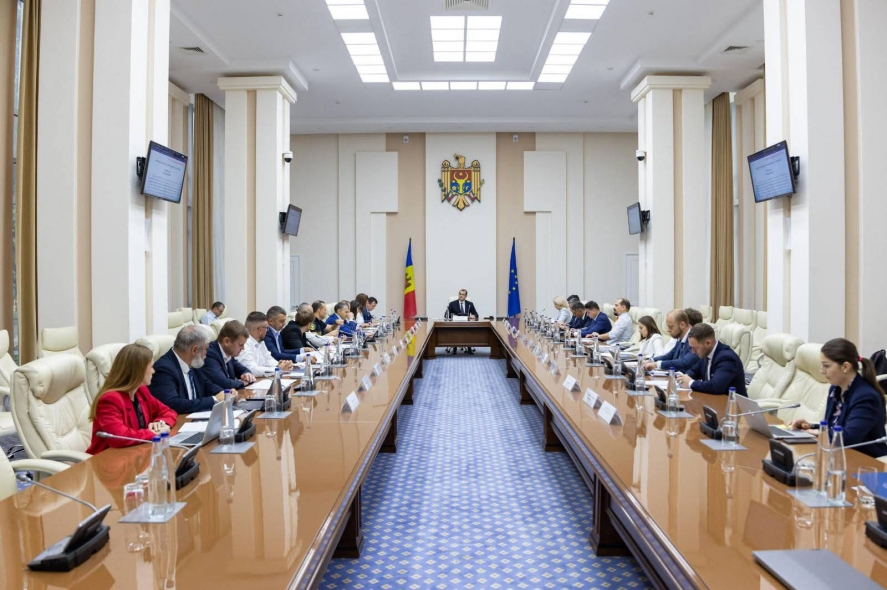
The alert statuses in the energy and hydrological sectors have been extended by 30 days. The National Crisis Management Commission has approved measures to safeguard energy and water supplie.
The extension is a preventive measure that allows authorities to act more quickly if the situation in the country or the region deteriorates.
In the energy sector, the alert status allows for continuous monitoring of fuel stocks and imports, faster removal of potential administrative or transportation bottlenecks, and ensuring the electricity supply needed, including during peak consumption hours.
In the hydrological sector, the priority is to ensure that the population, hospitals, schools, and social institutions have access to drinking water. The alert status allows for daily monitoring of the quantities of water collected and distributed, the suspension of unauthorized water withdrawals, the identification and preparation of wells that can be used as alternative sources, and the provision of water by tanker trucks to localities where water supply could be disrupted.
The decisions of the National Crisis Management Commission provide authorities with faster mechanisms and more flexible procedures to prevent problems and intervene before they affect the population and essential services.
The main issues examined by the Commission were:
1.The situation regarding the supply of petroleum products and electricity, as well as the measures needed to strengthen the resilience of the energy system;
2.The national hydrological situation and the measures needed to conserve water resources and ensure continuity of water supply to the population and essential services.
 Loading ...