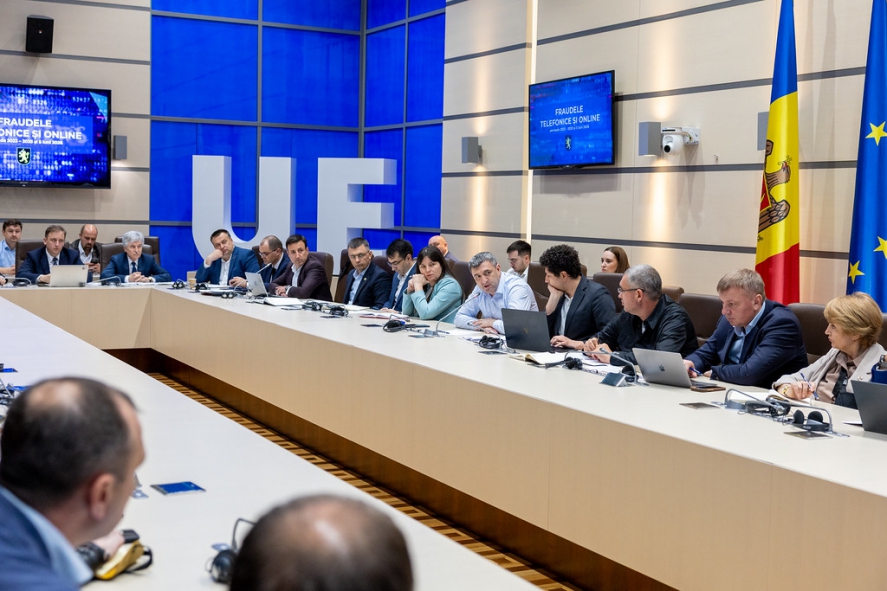
La Parlament au avut loc, la 12 iunie curent, audieri publice privind provocările actuale și soluțiile de prevenire și combatere a fraudelor telefonice și online. Evenimentul s-a desfășurat pe platforma Comisiei pentru securitate națională, apărare și ordine publică și a Comisiei pentru economie, buget și finanțe, informează TRIBUNA.
În cadrul audierilor, deputații au examinat amploarea fenomenului fraudelor telefonice și online în Republica Moldova, eficiența măsurilor aplicate de autorități și vulnerabilitățile existente. Discuțiile s-au axat și pe identificarea unor soluții pentru consolidarea protecției cetățenilor, inclusiv prin perfecționarea cadrului legislativ.
La audieri au participat secretarul de stat al Ministerului Afacerilor Interne, Alexandru Bejan, șeful Inspectoratului General al Poliției, Viorel Cernăuțeanu, șeful Centrului pentru Combaterea Crimelor Cibernetice, Iurie Roșca, directorul Serviciului Prevenirea și Combaterea Spălării Banilor, Andrian Munteanu, precum și reprezentanți ai autorităților cu atribuții în domeniul securității cibernetice, ai sectorului bancar, operatorilor de telecomunicații și organizațiilor de profil.
Datele prezentate de instituțiile abilitate arată că fenomenul fraudelor telefonice și online este în continuă creștere, pe fondul digitalizării accelerate a serviciilor financiare și de comunicare. În perioada 2023–2025, s-a înregistrat o creștere constantă a numărului de escrocherii, iar în primele cinci luni ale anului 2026 numărul sesizărilor a fost cu aproximativ 19% mai mare decât în perioada similară a anului trecut.
Potrivit informațiilor prezentate, fenomenul evoluează de la fraude izolate la rețele organizate, inclusiv transnaționale, care utilizează call-centere și platforme fictive. Cele mai frecvente tipuri de fraude raportate în perioada ianuarie–mai 2026 au fost falsa securitate bancară (515 cazuri), investițiile frauduloase (310 cazuri) și actualizările false de contracte sau servicii telecom (230 de cazuri).
Distribuția teritorială a cazurilor indică o concentrare puternică în municipiul Chișinău, unde sunt înregistrate peste jumătate din totalul fraudelor raportate. Totodată, datele relevă că cele mai vulnerabile categorii sunt persoanele cu vârsta de peste 66 de ani, afectate în special de fraudele legate de securitatea bancară, și persoanele cu vârste cuprinse între 56 și 65 de ani, vizate frecvent de scheme investiționale fictive.
În cadrul unor cauze penale investigate recent, organele de drept au documentat prejudicii individuale de ordinul milioanelor de lei și activitatea unor rețele specializate în escrocherii telefonice și online. În prezent, Poliția gestionează 754 de dosare privind fraudele telefonice.

Participanții la audieri au evidențiat intensificarea cooperării dintre Poliție, Banca Națională a Moldovei, băncile comerciale, operatorii de telecomunicații și alte instituții responsabile, pentru schimbul rapid de informații, blocarea apelurilor și mesajelor frauduloase, raportarea infracțiunilor cibernetice și protejarea consumatorilor de servicii financiare.
De asemenea, au fost desfășurate operațiuni comune și campanii de informare publică. Potrivit datelor prezentate, peste 80% dintre tentativele de fraudă raportate la Serviciul 112 au fost dejucate.
Participanții au subliniat necesitatea actualizării cadrului normativ, inclusiv prin introducerea unor proceduri mai rapide de blocare a fondurilor suspecte, consolidarea mecanismelor de raportare și aplicarea unor măsuri suplimentare împotriva apelurilor frauduloase.
După audieri, Comisia de anchetă pentru examinarea fenomenului escrocheriilor telefonice, financiare și digitale și evaluarea eficienței măsurilor de prevenire și combatere a acestora a desfășurat o ședință în cadrul căreia au fost sintetizate informațiile prezentate. În baza concluziilor formulate, comisia va elabora un set de recomandări și soluții menite să consolideze protecția cetățenilor împotriva acestor infracțiuni.
Comisia de anchetă a fost constituită de Parlament la ședința plenară din 4 iunie. Aceasta este formată din 11 deputați, reprezentanți ai tuturor fracțiunilor parlamentare, și este condusă de deputatul Lilian Carp, președintele Comisiei pentru securitate națională, apărare și ordine publică.

 Loading ...